Why Choose Solar Energy Solutions for Your Business?
Why Choose Solar Energy Solutions for Your Business?
Businesses are rethinking energy costs, operational resilience, and environmental responsibility. Solar Energy Solutions can turn unused rooftop space into a productive business asset. A warehouse roof, for example, may generate daytime electricity for refrigeration, lighting, or machinery. Battery storage can support essential loads when grid prices rise or outages occur.
The opportunity is practical, not merely promotional. Amory Lovins, co-founder of the Rocky Mountain Institute, said, “The energy problem is not energy; it is the way we use it.” His observation reflects a central business question: how efficiently does a company consume power? A professional assessment should examine load profiles, roof condition, shading, local incentives, demand charges, maintenance needs, and equipment warranties. Reliable providers also explain system limits clearly. Solar output changes with weather and seasons. Upfront costs can remain significant. Payback estimates may be imperfect.
Still, a carefully designed system can reduce exposure to volatile electricity prices and strengthen long-term planning. It may also support credible sustainability reporting when performance data is measured consistently. Experience matters here. A system that looks impressive on paper can underperform if installation quality, monitoring, or maintenance is neglected. Businesses should compare realistic production forecasts, verified case studies, and after-sales support before making a commitment.
Solar is not a universal shortcut. It is a strategic investment requiring scrutiny. The right Solar Energy Solutions can help a business use cleaner power, manage risk, and build greater energy independence. Sometimes, the most valuable benefit is predictability.
What Solar Energy Solutions Mean for Businesses
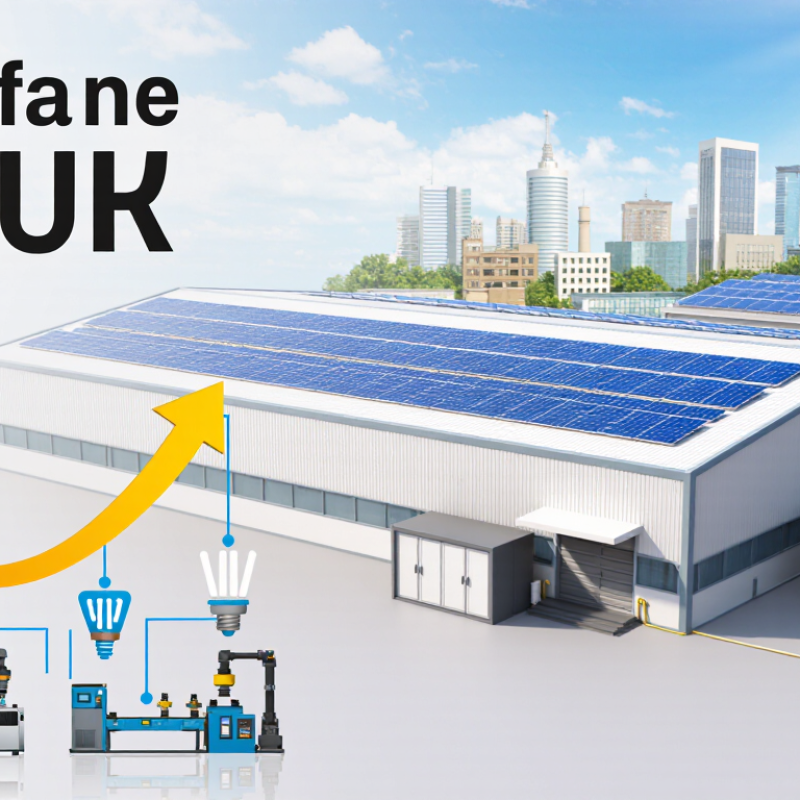
Solar energy solutions mean more than placing panels on a commercial roof. They connect electricity generation with a company’s daily operating needs. A warehouse may require steady power for refrigeration, lighting, and loading equipment. An office may use most electricity during daylight hours. Matching the system to these patterns can reduce wasted energy and improve financial planning.
A reliable project begins with evidence, not promises. Professionals review twelve months of utility bills, inspect roof condition, and measure shading throughout the day. They also examine local grid rules, building codes, insurance requirements, and future expansion plans. Battery storage may help during evening operations or short outages. However, it adds cost, maintenance needs, and technical decisions that deserve careful review.
Solar savings are not automatic. A cloudy week can lower production, while dust, heat, and nearby construction may affect performance. Businesses should request clear production estimates, equipment warranties, maintenance terms, and realistic payback assumptions. Independent energy audits can expose weak calculations before contracts are signed. The best solution may be smaller than expected. That is not failure. It can be a more honest fit for the building, budget, and people using the power.
How Commercial Solar Energy Systems Work
Commercial solar energy systems turn sunlight into usable electricity through several coordinated stages. Photovoltaic modules absorb light and produce direct current (DC). Output changes with clouds, heat, roof angle, and shading. Cables carry DC power to combiner equipment, where circuits are organized and protected. An inverter then converts DC into alternating current (AC) for business equipment. This conversion is central.
A facility can use electricity immediately for lighting, refrigeration, computers, or machinery. A utility meter records exchanges with the grid when production exceeds demand. During weak sunlight, the building can draw grid power or use batteries, if installed. Energy management software compares generation, consumption, battery status, and power quality. Good design begins with interval usage data, roof inspection, electrical studies, and local interconnection requirements. Engineers also check fire access and future load changes. Small details matter.
In practice, expected output is an estimate, not a promise. Dust, aging modules, inverter faults, and unexpected shade can reduce production. Regular inspections help detect loose connections, hot spots, and declining performance. Battery systems add backup potential, but they also bring costs, ventilation needs, safety requirements, and replacement concerns. The most useful designs match solar production with daytime demand instead of covering every available roof section. That approach may feel less impressive. It is often more financially realistic.
Why Choose Solar Energy Solutions for Your Business?
How Commercial Solar Energy Systems Work
A commercial rooftop solar system converts sunlight into direct-current electricity through photovoltaic modules.
An inverter then converts it into alternating-current electricity for business operations, while excess power can
be stored or exported to the grid, depending on the system design and local regulations.
Estimated monthly electricity generation for a 100 kW commercial rooftop photovoltaic system in a temperate
Northern Hemisphere climate. The annual estimate is 120,000 kWh, equivalent to approximately 1,200 kWh per
installed kW per year. Actual production depends on solar irradiance, system orientation, shading, temperature,
equipment efficiency, and maintenance.
Types of Solar Solutions Available to Businesses
Businesses can choose several solar energy solutions, depending on roof space, land, load patterns, and capital. Rooftop solar is often practical for warehouses, offices, and factories. It uses unused roof space and can reduce daytime grid purchases. Ground-mounted systems suit companies with available land. They usually offer easier maintenance access and flexible expansion. Solar carports add generation while shading employee and customer parking areas.
Battery storage can accompany either system. It stores midday electricity for evening operations or demand peaks. This matters because commercial tariffs may charge for the highest short-term power draw. A solar-plus-storage system can also provide limited backup during outages, although it cannot replace a properly designed emergency system. Power purchase agreements offer another route. Businesses buy solar electricity under a long-term contract without owning the equipment. According to the International Energy Agency’s Renewables 2024 report, solar accounted for about three-quarters of global renewable capacity growth in 2023. The market is expanding quickly, but site economics remain local.
Tips: Ask for twelve months of interval electricity data before selecting a system. Check roof age, structural capacity, fire access, and shading. Compare ownership, leasing, and PPA costs using the same assumptions. The cheapest quote can hide replacement costs. A larger array is not automatically better. Oversizing may create surplus electricity when the facility is closed. Energy audits often reveal simple efficiency improvements first. That step is easy to overlook. IRENA’s Renewable Capacity Statistics 2024 reported global solar capacity above 1.4 terawatts at the end of 2023, yet every business still needs a site-specific design.
Factors to Consider Before Going Solar
Why Choose Solar Energy Solutions for Your Business?
Before going solar, examine how your business actually uses electricity. A warehouse may consume power during daylight, while a restaurant may peak after sunset. Review twelve months of utility bills, seasonal demand, and equipment schedules. A qualified energy auditor can compare this profile with the proposed system’s output. Bigger is not always better.
Roof condition matters. An aging roof could require repairs before panel installation, adding unexpected costs. Check shading from nearby buildings, trees, and rooftop equipment throughout the year. Ask for a structural assessment, especially for older properties. Solar panels need sunlight, but they also need a safe foundation.
Financial details deserve careful attention. Compare installation costs, maintenance, insurance, financing terms, and available local incentives. Confirm how excess electricity is credited under current utility rules. These policies can change, so written information from the utility or an authorized adviser is more dependable than casual online claims. Battery storage may improve resilience, but it can lengthen the payback period.
Review installer qualifications, safety records, product warranties, and service arrangements. Request realistic production estimates using local weather data, not optimistic assumptions. Energy savings may fluctuate. Dust, storms, equipment failure, and business expansion can alter results. That uncertainty is easy to underestimate. A thoughtful solar plan leaves room for future electrical loads and regular performance checks.