Top Tips for Choosing the Best Industrial Solar Lights?
In recent years, the demand for Industrial Solar Lights has surged. According to a report by Grand View Research, the global market for solar lighting is expected to reach USD 12.41 billion by 2025. This growth reflects an increasing awareness about sustainable energy solutions. Many industrial facilities are turning to solar lights to reduce energy costs and environmental impact.
Henry Castro, a leading expert in renewable energy, emphasizes the importance of this shift: “Industrial Solar Lights offer a pragmatic solution for businesses aiming to lower their carbon footprint.” However, selecting the best solar lights can be challenging. Various factors must be considered, such as brightness, battery life, and installation ease.
While the advantages seem clear, there are pitfalls to avoid. Not all products deliver the promised performance. Some may falter in extreme weather or offer inadequate brightness. It's crucial to assess personal needs and the specific environment where the lights will be used. Thus, understanding the market and making informed choices becomes essential for anyone looking into Industrial Solar Lights.
Understanding the Advantages of Industrial Solar Lights
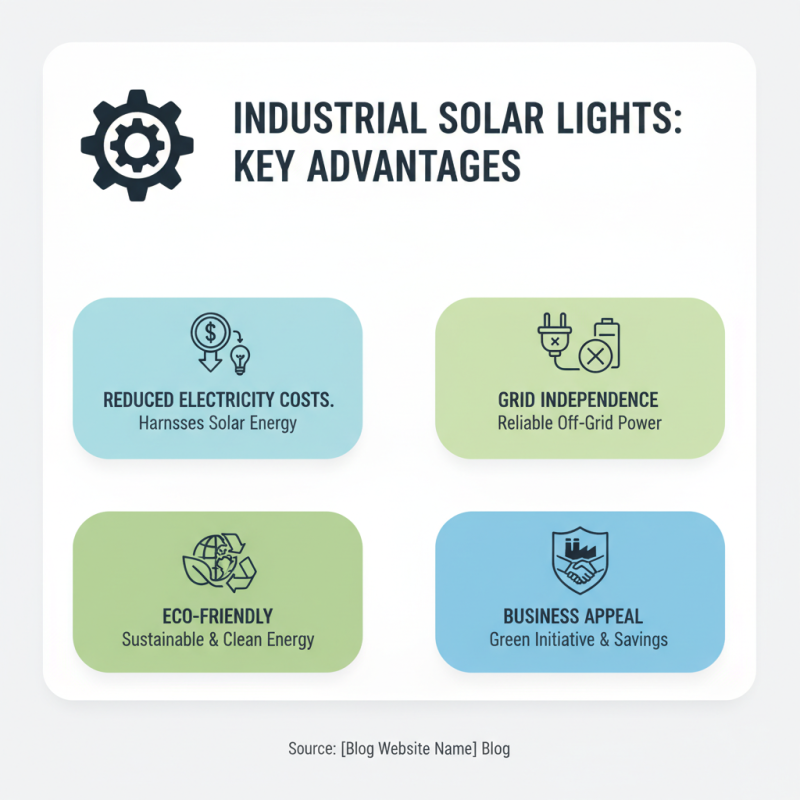
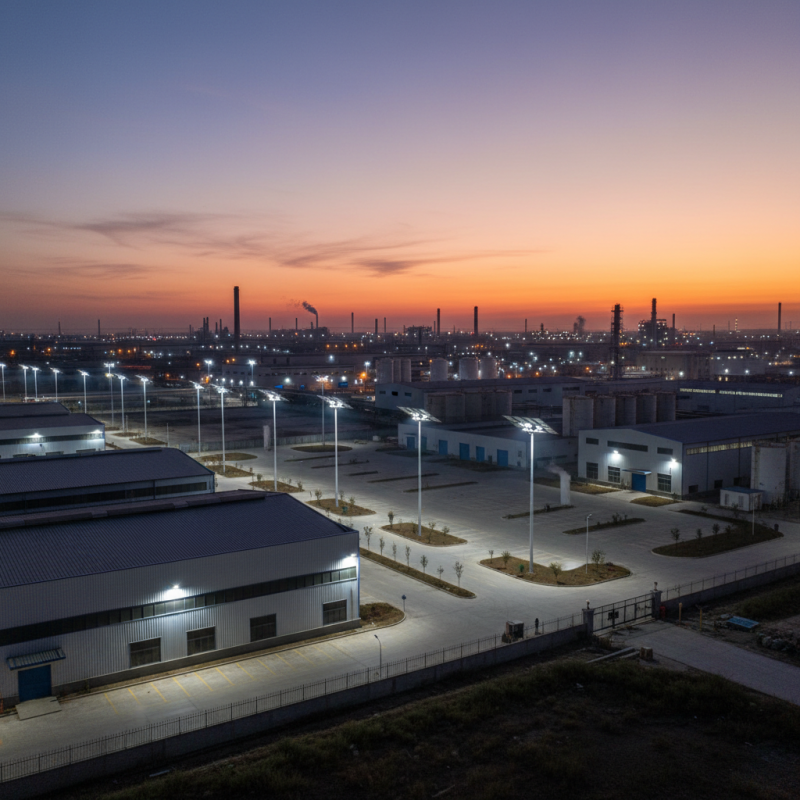
Industrial solar lights come with numerous advantages that make them an attractive option for outdoor lighting. They harness solar energy, reducing electricity costs significantly. Many businesses appreciate not relying on grid power. This independence makes them eco-friendly, appealing to those committed to sustainability.
When choosing industrial solar lights, consider the area to be illuminated. Lights with higher lumen output are essential for larger spaces. Brightness matters, but so does the beam angle. A wider angle offers better coverage but may reduce intensity.
Solar lights are often said to be low maintenance, yet this can be misleading. Over time, solar panels can accumulate dirt, diminishing their efficiency. Regular cleaning is necessary to ensure optimal performance. Also, check battery life. Some models may not last as long as advertised. Lastly, conditions like shade and seasonal changes can affect solar efficiency. Be aware before making a decision.
Key Factors to Consider When Selecting Solar Lights
When selecting industrial solar lights, several key factors come into play. The brightness level is crucial. You want lights that illuminate large areas sufficiently. Consider the lumens rating. Higher lumens mean brighter light. However, too bright can create glare issues. Finding the right balance is essential.
The solar panel efficiency is another significant factor. Look for panels that convert a higher percentage of sunlight into energy. This is vital for consistent performance. Battery capacity also matters. A higher capacity allows lights to run longer during cloudy days or night.
Durability is non-negotiable in an industrial setting. Harsh weather can impact performance. Opt for lights that are weatherproof and made from robust materials. Reflect on your specific environment. Will dust or moisture affect the lights? Make sure to choose a model designed for your conditions. Ultimately, the right choice requires careful consideration and a little trial and error.
Top Tips for Choosing the Best Industrial Solar Lights
The chart below illustrates important factors to consider when selecting industrial solar lights, along with their average importance rating on a scale of 1 to 10.
Assessing the Power and Brightness Requirements for Your Needs
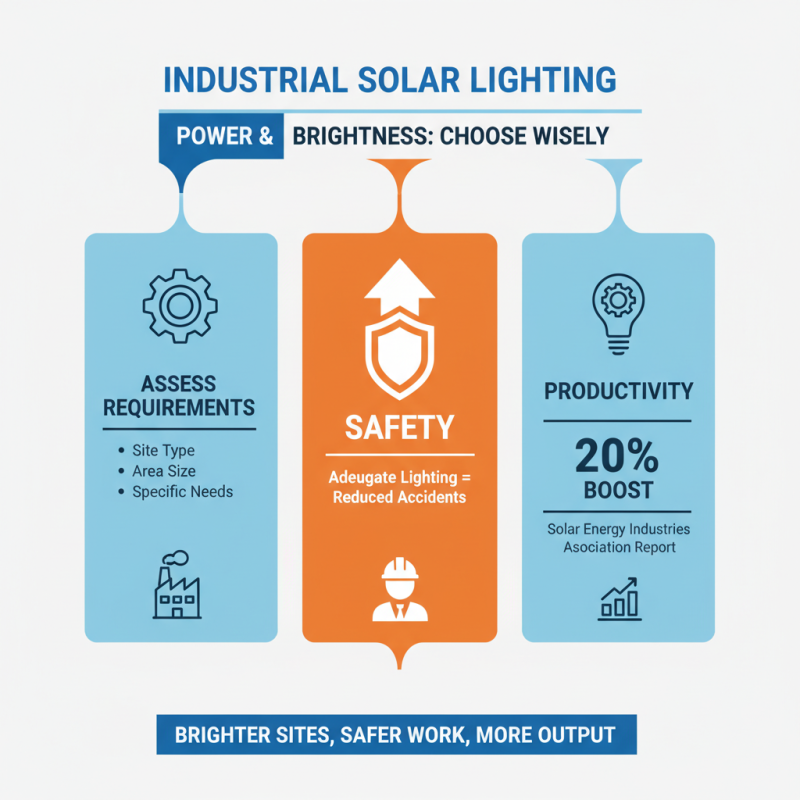
When assessing power and brightness for industrial solar lights, understanding your specific requirements is crucial. An industrial site can have varying light needs depending on the area. According to a recent report from the Solar Energy Industries Association, adequate lighting in industrial spaces can improve safety and boost productivity by 20%. This study highlights the importance of bright, efficient lighting in these environments.
Brightness is typically measured in lumens. For general outdoor space, like parking lots, you might need 50 to 150 lumens per square meter. However, large areas may require upwards of 300 lumens. Many industries overlook this aspect, often wishing for brighter lights only once they’re installed. It's vital to assess the exact measurements of your space beforehand.
Power requirements also matter. Different solar lights come with varying power outputs, usually ranging from 10 to 100 watts. Striking a balance between wattage and your operational needs is key. Remember, solar lights rely on sunlight. A less-than-perfect location can affect effectiveness. Many business owners don’t realize that proper placement and panel angle can significantly impact performance. Consider these factors carefully before making your decision.
Evaluating the Durability and Weather Resistance of Solar Lights
When choosing industrial solar lights, durability should be a key factor. These lights often withstand harsh conditions. Look for materials that resist rust and corrosion. Metal and high-quality plastics can be a good choice. Inspect the light's structure and see if it feels robust. The last thing you want is for lights to fail after a few storms.
Weather resistance is equally important. Solar lights often face rain, snow, or extreme heat. Check the IP rating. A higher rating indicates better protection against dust and water. Some lights might claim to be waterproof but fail during heavy rains. Read reviews and user feedback on performance in different weather. Don't assume all products are equally good in every condition. Testing in various climates is ideal, but many users skip this step. It's a gamble that can lead to frustration. Be cautious and make informed decisions.
Top Tips for Choosing the Best Industrial Solar Lights
| Feature |
Description |
Durability Rating |
Weather Resistance |
| Solar Panel Material |
High-efficiency monocrystalline panels for maximum energy conversion. |
A++ |
Waterproof and UV resistant. |
| Battery Life |
Long-lasting lithium batteries for extended use. |
A+ |
Temperature resistant -20°C to 60°C. |
| Fixture Material |
Aluminum alloy for strength and corrosion resistance. |
A+ |
IP65 rated for dust and water resistance. |
| Light Output |
High lumen output for bright illumination. |
A+ |
Functions well in all weather conditions. |
| Installation Type |
Easy to install; no wiring required. |
A |
Durable under heavy rainfall and snow. |
Comparing Costs and Return on Investment for Solar Lighting Solutions
When evaluating solar lighting solutions for industrial applications, considering costs and potential return on investment (ROI) is crucial. A comprehensive report from the International Renewable Energy Agency (IRENA) indicates that solar lighting can reduce energy costs by over 50% compared to traditional lighting. This provides a compelling argument for many industries looking to cut operating expenses.
Initial costs for solar lights can vary. The average investment may range from $1,500 to $2,500 per installation. However, with expected lifespan periods of 25 years or more, the long-term savings can outweigh these upfront costs. According to industry data, many facilities have reported payback periods of just 3 to 7 years. These figures can seem optimistic, especially when including maintenance costs.
Despite these advantages, some companies remain hesitant. A KPMG study pointed out that uncertainty regarding efficiency and energy output can deter investment. In certain regions, weather variability could potentially affect performance, leading to periods of lower energy generation. Assessing these factors carefully is essential. Evaluating the cost and return on investment requires a clear understanding of specific site conditions. Ultimately, the decision to invest in solar lighting should be based on a well-rounded assessment of immediate and long-term benefits.