What is a Rechargeable Lithium Battery and How Does It Work?
Rechargeable Lithium Batteries have revolutionized how we power our devices. These batteries are widely used in everything from smartphones to electric vehicles. According to Dr. Emily Wang, a leading expert in battery technology, “The efficiency of rechargeable lithium batteries makes them essential in modern technology.” Her insights illustrate the critical role these batteries play in our daily lives.
Understanding how rechargeable lithium batteries work is important. They store energy during charging and release it when needed. This process involves complex chemical reactions that enable the long life and efficiency we expect. However, challenges remain. Safety concerns, recycling issues, and performance degradation are factors that demand ongoing attention.
Some may question the future of rechargeable lithium batteries. Are they sustainable enough for our growing demands? These are valid concerns and highlight the need for innovation in battery technology. As we explore the workings and impacts of rechargeable lithium batteries, we must also consider their limitations and the ways we can improve them for future use.
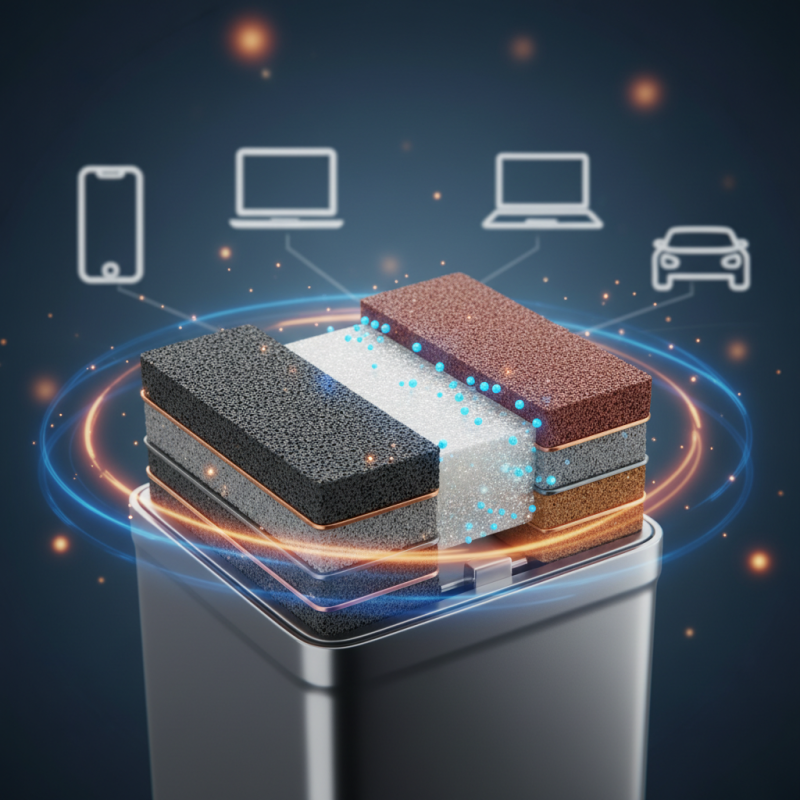
What is a Rechargeable Lithium Battery?
A rechargeable lithium battery is a type of energy storage device widely used today. It stores and releases energy through chemical reactions that take place within its cells. These batteries contain lithium ions, which move between electrodes during charging and discharging phases. This movement is what enables the battery to store energy and power devices, making it essential for modern electronics.
The construction of these batteries typically includes components like positive and negative electrodes separated by an electrolyte. The electrolyte allows lithium ions to move freely. This design enhances efficiency and ensures a long lifespan. However, issues such as overheating or degradation can occur over time. Reflections on these challenges can lead to advances in battery technology.
Users often appreciate the compact size and lightweight nature of lithium batteries. These qualities make them ideal for mobile devices and electric vehicles. Yet, the environmental impact of battery production and disposal raises concerns. Many are now exploring more sustainable practices in battery use and recycling methods. This ongoing dialogue about lithium batteries is crucial for future innovations.
Rechargeable Lithium Battery Capacity Comparison
This bar chart illustrates the capacity comparison of rechargeable lithium batteries used in different devices. A typical smartphone battery capacity is around 3000mAh, while laptops can reach up to 5000mAh. Tablets can have up to 8000mAh, and electric vehicles may contain batteries with capacities of around 60000mAh. Camera batteries generally have a capacity of about 1500mAh.
The Chemistry Behind Lithium-Ion Batteries
Lithium-ion batteries have transformed energy storage and powered our devices for decades. Their chemistry is rooted in lithium, a lightweight metal with a high electrochemical potential. When a lithium-ion battery charges, lithium ions move from the cathode to the anode through an electrolyte. This movement stores energy. During discharge, ions reverse their path, releasing energy to power devices.
Data from the International Energy Agency indicates that lithium-ion batteries dominated the rechargeable market in 2022, holding over 75% of the global share. The capacity and efficiency of these batteries have greatly improved over the years. Research shows that advancements have led to a 30% increase in energy density since 2015. However, challenges remain, including issues with thermal runaway and environmental concerns surrounding raw material extraction.
**Tip:** Always monitor battery temperature during use. Overheating can lead to performance issues and potential hazards.
The composition of lithium-ion batteries typically includes a layered structure for the cathode, usually made of cobalt or nickel-containing compounds. This structure significantly affects battery lifespan and performance. While these batteries perform well, they do have limits. Degradation occurs after several hundred cycles, leading to diminished capacity over time. Understanding these factors is crucial for users seeking longevity and safety in their devices.
**Tip:** Limit deep discharges to extend battery life. Keeping the battery between 20% and 80% can reduce wear.
How Rechargeable Lithium Batteries Store and Release Energy
Rechargeable lithium batteries are widely used in modern devices. They store energy through chemical reactions involving lithium ions. These ions move between the anode and cathode during charging and discharging. This movement allows them to release energy when needed.
When charging, lithium ions travel from the cathode to the anode. This process creates a buildup of energy. Once the battery is connected to a device, the ions move back to the cathode. This movement generates electricity powering your devices.
Tips: To maximize battery life, avoid full discharges. Instead, recharge when the battery reaches around 20%. Never leave batteries in high temperatures, as this can damage the materials inside. Regular use also helps maintain the efficiency of the battery.
Maintaining these batteries can be tricky. Watch for signs of degradation. Sometimes batteries may swell or lose charge capacity. These changes usually indicate it's time for a replacement. Proper handling can extend their usability though. Storing at optimal temperatures and regular cycling will help retain their lifespan.
Common Applications of Rechargeable Lithium Batteries
Rechargeable lithium batteries have become essential in many aspects of daily life. These batteries are commonly found in portable devices like smartphones and laptops. They are also used in electric vehicles, providing a reliable energy source for longer distances. As the demand for sustainable energy grows, these batteries are crucial in reducing reliance on fossil fuels.
The effectiveness of rechargeable lithium batteries is evident in home energy storage systems. Many homeowners now utilize these systems to store energy from solar panels. This energy can power appliances during peak usage times, ensuring lower electricity bills. However, challenges remain. Battery degradation over time can reduce performance, necessitating thoughtful maintenance and eventual replacement.
In the medical field, portable devices such as insulin pumps rely on these batteries for their functionality. This reliance highlights the importance of ensuring that these systems are dependable. Some devices may show inconsistencies in battery life, prompting users to consider backup options. Balancing performance and longevity remains a significant concern for both manufacturers and consumers.
Benefits and Challenges of Using Lithium-Ion Technology
Lithium-ion technology has revolutionized the way we power our devices. Its benefits are numerous, making it the go-to choice for many applications. These batteries offer high energy density, which means they store a lot of energy in compact sizes. This feature is essential for smartphones and laptops, where space is limited. Additionally, lithium-ion batteries have a low self-discharge rate, meaning they retain their charge for extended periods.
However, there are challenges. Lithium-ion batteries can overheat, leading to safety concerns. This risk is particularly high during fast charging or if the battery is damaged. Moreover, the production and disposal of these batteries raise environmental issues. Unsuitable recycling practices can lead to pollution. It's crucial to adopt responsible usage habits.
Tips: Always avoid extreme temperatures when charging. Store your batteries in a cool, dry place. Regularly check for any signs of damage or swelling. These practices will help prolong battery life and ensure safety. Being mindful of how you handle lithium-ion batteries can mitigate some of their challenges.
What is a Rechargeable Lithium Battery and How Does It Work? - Benefits and Challenges of Using Lithium-Ion Technology
| Feature | Description |
| Energy Density | High energy density, typically around 150-250 Wh/kg, allowing for lighter batteries with a longer range. |
| Cycle Life | Generally between 500 and 1500 charge-cycles, depending on usage and environmental factors. |
| Self-Discharge Rate | Low self-discharge rate, around 5-10% per month, compared to nickel-cadmium batteries with a higher self-discharge rate. |
| Charging Time | Fast charging capabilities, often reaching 80% charge in an hour with proper chargers. |
| Temperature Range | Optimal operating temperature is 20°C to 25°C; performance deteriorates at extreme temperatures. |
| Environmental Impact | Recycling programs can mitigate environmental impact, but production still raises concerns about resource extraction. |
| Safety | Risk of thermal runaway leading to fire; safety measures like battery management systems are essential. |
| Applications | Widely used in portable electronics, electric vehicles, and renewable energy storage systems. |