What is a Microinverter for Off Grid Solar Systems?
Microinverter technology is transforming off-grid solar systems. A microinverter solar off grid setup allows for efficient energy conversion. Understanding microinverters can help users make informed choices.
These devices optimize individual solar panels. By maximizing each panel's output, they enhance overall system performance. This can lead to higher energy yields and better return on investment. However, some may find microinverters complex.
When choosing components, it is essential to consider compatibility. Not all inverters suit every solar panel. Users might reflect on these issues before installation. There are trade-offs in terms of cost and maintenance. Yet, the advantages often outweigh the challenges. Exploring microinverters could unlock new possibilities for energy independence.
Understanding the Concept of Microinverters in Solar Systems
Microinverters play a vital role in off-grid solar systems. They are small devices that convert direct current (DC) generated by solar panels into alternating current (AC). This process is crucial for making electricity usable in homes. According to the National Renewable Energy Laboratory, microinverters can improve overall system performance by optimizing energy production at the panel level. This feature is beneficial in shaded or unevenly lit environments.
One notable advantage of microinverters is their ability to monitor individual solar panels. This means that any panel underperforming can be quickly identified and addressed. Reports indicate that systems with microinverters can yield up to 15% more energy than traditional string inverters in certain conditions. However, microinverters can be more expensive upfront. Their lifespan varies, leading to concerns about replacement costs over time.
Despite these drawbacks, microinverters are becoming increasingly popular. They can simplify installation and enhance energy independence for users. Still, potential buyers must consider the initial investment and long-term performance when choosing microinverters for their off-grid systems. Balancing cost with efficiency remains a challenge for many homeowners.
The Role of Microinverters in Off Grid Solar Energy Production
Microinverters play a crucial role in off-grid solar energy production. They convert direct current (DC) from solar panels into alternating current (AC) for use in homes. Unlike traditional systems that use a single inverter, microinverters are installed on each panel. This setup maximizes efficiency, particularly in partially shaded environments. According to a report by the Solar Energy Industries Association, microinverters can boost energy harvest by up to 25% in certain conditions.
The flexibility of microinverters is noteworthy. They allow for modular system designs, making expansions or adjustments easier. If one panel underperforms, it does not affect the entire system's performance as it would with a string inverter. Despite these advantages, microinverters can sometimes be more expensive upfront. The initial investment can be a barrier for some homeowners. Additionally, while their reliability is generally high, issues can arise. Maintenance or occasional replacements may be necessary, which adds to the overall cost.
In an off-grid setup, energy management becomes critical. Microinverters facilitate real-time monitoring. This capability enables users to track production closely and make informed decisions. Yet, it's worth noting that without a strong understanding of energy needs, monitoring alone does not guarantee effectiveness. Users must be educated on their own consumption patterns to fully benefit from microinverters. This combination of technology and user knowledge can lead to a more successful off-grid solar experience.
Energy Production Comparison: Microinverters vs. String Inverters in Off-Grid Systems
This chart illustrates the monthly energy production (in kWh) of microinverters compared to traditional string inverters in off-grid solar systems. The data highlights the efficiency and output consistency of microinverters throughout various seasons.
Advantages of Using Microinverters in Off Grid Solar Systems
Microinverters are gaining popularity in off-grid solar systems. They convert DC power generated by solar panels into AC power. This technology enhances the efficiency of solar energy use. Each panel has its own microinverter, allowing for independent operation. This means that if one panel is shaded or malfunctions, others can still perform well.
The advantages of microinverters are significant. They offer better performance in variable conditions. Shadows and dirt don’t impact the entire system as much. This ensures more energy output overall. Moreover, microinverters simplify system design and installation. There's no need for string inverters or complex wiring.
However, users should consider potential drawbacks. Microinverters might have a higher upfront cost compared to traditional systems. Maintenance can be an issue if they fail. Each unit needs attention over time. Evaluating these factors is essential before making a choice. Off-grid solar systems require thoughtful decisions to maximize benefits.
Comparison of Microinverters and Traditional Inverter Systems
Microinverters have gained attention for off-grid solar systems. They operate differently than traditional inverters. A microinverter is installed on each solar panel. This design allows individual optimization of each panel’s performance. In contrast, traditional inverter systems connect multiple panels to a single inverter. This can lead to energy losses if one panel’s performance declines due to shading or dirt.
Efficiency is a key factor in this comparison. Microinverters can help maximize energy harvest. If one panel underperforms, the others continue to work at their best. However, the initial cost of microinverters can be higher. Some users may worry about long-term reliability. They might wonder if maintaining several units is more complicated than one.
Flexibility is another important element. Microinverters offer easy scalability for future expansions. Homeowners can add more panels without replacing the entire system. Traditional systems might require more planning and investment for upgrades. Still, some suggest that traditional systems are simpler and more familiar for installers. Ultimately, choosing between the two depends on specific needs and resources.
Installation and Maintenance Considerations for Microinverters
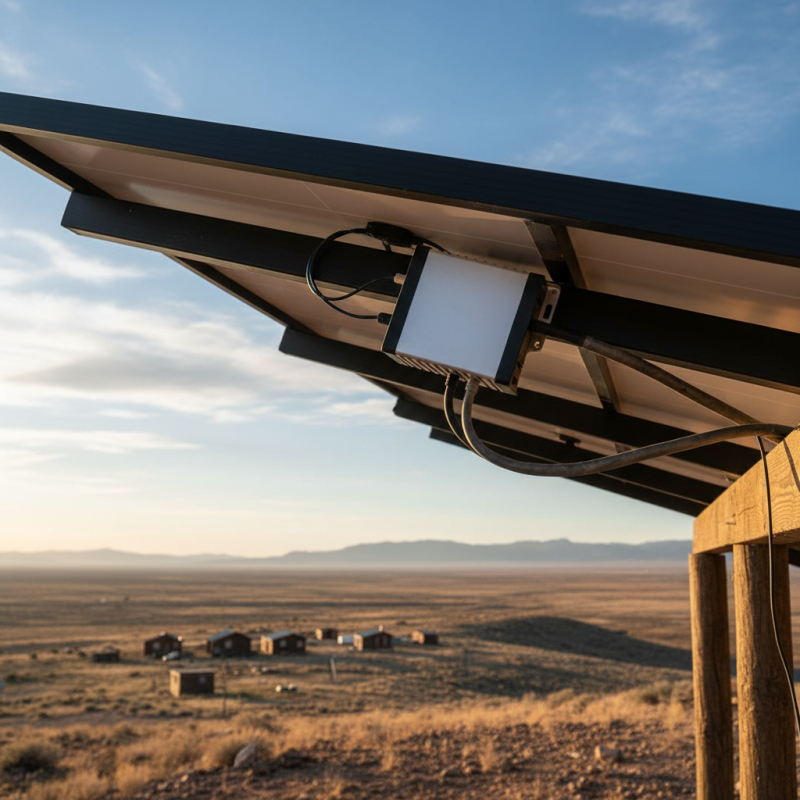
Microinverters play a crucial role in off-grid solar systems. They convert DC power generated by solar panels into AC power for home use. Installation of microinverters is typically easier than that of traditional string inverters. They can be mounted directly to each solar panel, reducing the need for complex wiring systems. However, proper installation is critical. Loose connections may lead to energy loss or system failures.
Maintenance considerations for microinverters include regular inspections. They should be checked for signs of wear or malfunction. Data from the Solar Energy Industries Association shows that the efficiency of microinverters can drop significantly if maintenance is neglected. Keeping an eye on performance metrics is essential. Some reports indicate that around 20% of off-grid systems face operational issues due to insufficient maintenance.
While microinverters are praised for their flexibility, they are not without flaws. Issues like overheating can affect performance. It's also important to consider that not all installations are optimal. Users should reflect on their specific energy needs. Some may find that microinverters don't suit their consumption patterns. Creating a tailored maintenance plan can help address some of these challenges.