What is a Lithium Battery Car and How Does It Work?
As the automotive industry evolves, the Lithium Battery Car gains prominence. Expected growth in electric vehicle market size is remarkable. According to a recent report by BloombergNEF, the global electric vehicle sales could surpass 10 million units by 2025. This surge is largely due to advancements in lithium battery technology.
Lithium battery-powered vehicles offer unique advantages. They provide long-range capabilities and quick charging times. However, challenges persist. The extraction of lithium raises environmental concerns. Moreover, recycling programs for used batteries are not widely established. These issues warrant critical attention as we seek sustainable solutions.
The increase in lithium battery car adoption reflects a significant shift in consumer preferences. More drivers are opting for eco-friendly alternatives. However, the infrastructure still needs improvement. Charging stations remain limited in many areas. The future of lithium battery cars hinges on overcoming these obstacles for broader acceptance and usability.
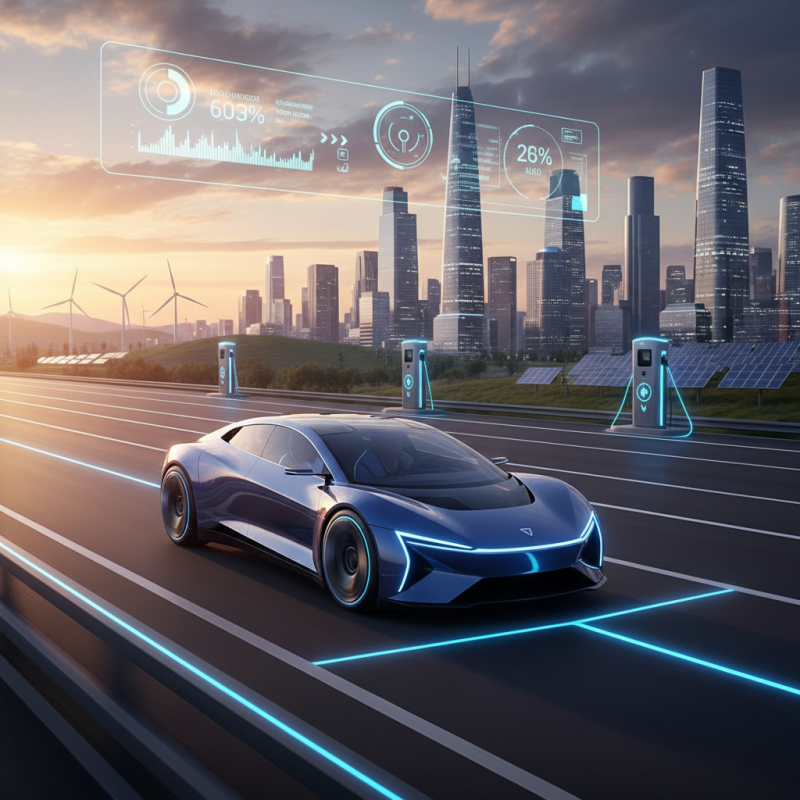
What is a Lithium Battery Car?
A lithium battery car is a vehicle powered by lithium-ion batteries. These batteries are known for their high energy density. They store large amounts of energy in a compact size. This characteristic makes them ideal for electric vehicles (EVs). According to the International Energy Agency (IEA), the global electric car stock reached over 10 million in 2020. This growth is pivotal in reducing carbon emissions.
Lithium battery cars operate by converting stored electrical energy into motion. When the accelerator is pressed, electricity flows from the batteries to the electric motor. This process is efficient, with many models achieving over 90% energy transfer. However, there are challenges. Battery degradation affects performance over time. Reports indicate that lithium batteries can lose about 20% of their capacity after five years.
Moreover, production of lithium-ion batteries poses environmental concerns. Mining for lithium can damage local ecosystems. Balancing performance and sustainability remains a crucial conversation in the industry. As demand rises, manufacturers must address these issues. Advancements in battery technology are needed to find better solutions.
The Components of a Lithium Battery Electric Vehicle
Lithium battery electric vehicles (EVs) use advanced technology to power their motors. The key components include the lithium-ion battery pack, electric motor, and charging system. These elements work together, providing a cleaner alternative to traditional fuel sources.
A lithium-ion battery contains multiple cells that store energy. When the driver accelerates, the battery releases energy to the electric motor. This motor converts electrical energy to mechanical energy, propelling the vehicle forward. The charging system is essential. It allows drivers to recharge the battery at home or public charging stations.
Tips: Regular battery maintenance is crucial. Check for software updates to optimize battery performance. Monitor battery health to ensure a longer lifespan. Remember to charge the vehicle correctly to prevent unnecessary wear. Even with technology, it's vital to reflect on personal driving habits. Adjusting your usage can enhance efficiency and sustainability.
How Does a Lithium Battery Work in Automobiles?
Lithium battery technology has transformed the automotive industry. These batteries store and deliver energy efficiently. They consist of lithium compounds that allow for quick ion movement. This process powers electric vehicles, providing them with range and performance.
In automobiles, lithium batteries function as a key energy source. During acceleration, they release stored energy. When braking, the system recovers energy, enhancing efficiency. However, not all lithium batteries are created equal. Their lifespan and performance can degrade over time, leading to range anxiety for drivers. It's crucial to monitor battery health regularly.
Battery management systems play a vital role. They ensure optimal charging and discharging cycles. Poor practices can lead to overheating or other issues. Drivers must be educated about proper usage to maximize battery life. Understanding these aspects can improve the overall experience with lithium battery cars, even when challenges arise.
Advantages of Using Lithium Batteries in Cars
Lithium batteries have become the go-to choice for electric vehicles. Their lightweight construction offers a significant advantage. Cars equipped with these batteries can achieve higher speeds and better acceleration. This can make daily driving more enjoyable and responsive. Furthermore, lithium batteries have a higher energy density compared to traditional options. This means they can store more energy in a smaller space, reducing overall vehicle weight.
The longevity of lithium batteries is another key benefit. They generally last longer than lead-acid batteries. This results in fewer replacements over time. However, it’s important to note that they can be expensive to replace when needed. The charging time is also relatively quick, allowing drivers to recharge while on the go. Yet, not every charging station can accommodate rapid charging.
Despite these advantages, lithium batteries do have limitations. Temperature extremes can affect their efficiency. Additionally, improper disposal poses environmental concerns. The mining process for lithium also has ecological implications. These factors warrant careful consideration as the industry continues to evolve.
Challenges and Considerations of Lithium Battery Cars
Lithium battery cars offer exciting potential for cleaner transportation. However, they come with specific challenges. One major concern is battery lifespan. Batteries degrade over time, reducing range and performance. Users often struggle to find optimal charging practices to prolong battery life and efficiency.
Heat management is another issue. Lithium batteries are sensitive to temperature. They work best at moderate temperatures. Excess heat can lead to reduced efficiency and potential safety risks. It's crucial to park in shaded areas and avoid extreme weather conditions.
**Tip:** Always charge your car at a consistent temperature. This helps maintain battery health.
Another challenge is recycling. As more lithium batteries are used, proper disposal becomes vital. The processes for recycling these batteries are still developing. Many people lack knowledge about recycling options in their area.
**Tip:** Research local recycling programs. This will help ensure batteries are disposed of responsibly.
Lastly, the supply of lithium poses a problem. Increased demand can lead to environmental concerns. Mining practices can be harmful to ecosystems. There's a need for more sustainable approaches in lithium sourcing.
**Tip:** Stay informed about sustainable mining practices. It’s crucial for a greener future.
Growth of Lithium Battery Electric Vehicles (2015-2023)
This chart illustrates the growth in global sales of lithium battery electric vehicles from 2015 to 2023. The increasing trend highlights the rising adoption of lithium battery technology in the automotive industry, addressing environmental concerns and the transition towards sustainable transportation.