What is an EV Charger Car and How Does it Work?
In recent years, the popularity of the Ev Charger Car has surged. Experts like Dr. Emily Chen, a leading figure in electric vehicle technology, say, "The future of transportation depends on accessible charging solutions." This statement highlights the urgency of creating efficient infrastructures for electric vehicles.
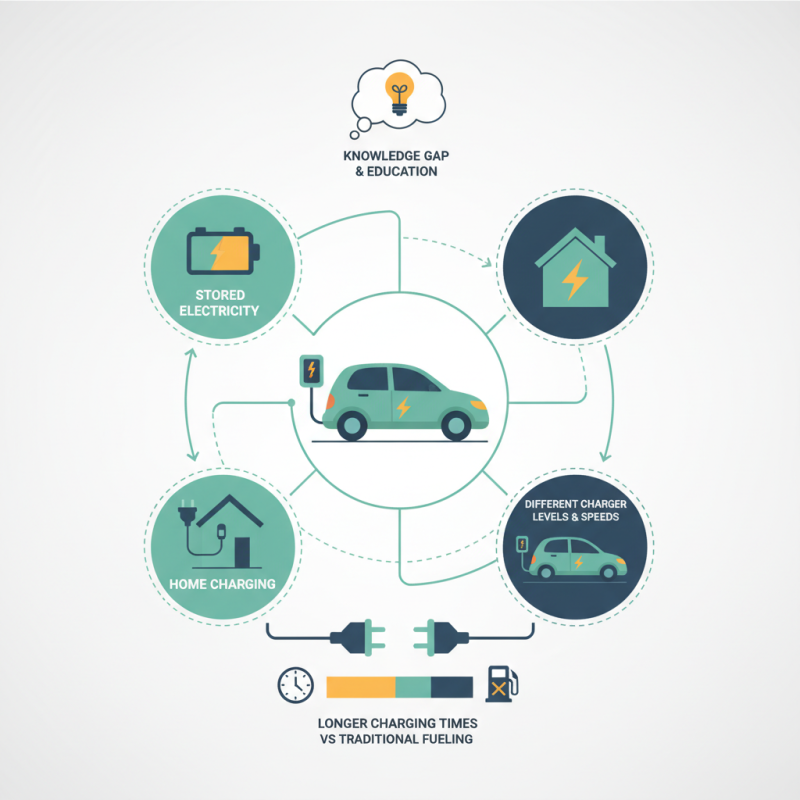
An EV Charger Car operates using electricity stored in batteries. Drivers plug their vehicles into charging stations to replenish energy. These chargers come in various types, influencing charging speed and accessibility. Some households even install home chargers for convenience. However, challenges remain, such as long charging times compared to traditional fueling.
As the world shifts toward greener transportation, the need for educational resources on EV chargers grows. Many potential users lack understanding. Are they aware of different charger levels? This knowledge gap can hinder adoption. Addressing such issues is crucial for a smooth transition to electric vehicles.
What is an Electric Vehicle (EV) Charger?
Charging an electric vehicle (EV) involves specialized equipment known as EV chargers. These devices convert electricity from a wall outlet or charging station into a form that electric vehicles can use. Understanding this technology is crucial as the demand for electric vehicles rises.
The number of public EV charging stations has grown significantly. According to industry reports, there were over 113,000 charging stations in the United States alone by the end of 2022. This rapid expansion reflects the growing ownership of electric vehicles. A typical charger can replenish an EV's battery by about 7 to 10 miles of range per hour, making it convenient for daily commutes.
Tips: When using an EV charger, always check compatibility with your vehicle. Not all chargers work with every model. Additionally, consider charging during off-peak hours for lower electricity rates.
Many EV owners face challenges, such as slow charging speeds. Fast chargers can offer up to 300 miles of range in about 30 minutes, but they are not widely available everywhere. Planning your trips around available charging stations is essential. Keep an eye on your EV's battery level and locate nearby chargers. Investing in a home charger can provide convenience but may require installation costs and space considerations.
EV Charger Types and Their Charging Speeds
Types of EV Chargers: Level 1, Level 2, and DC Fast Charging
Electric vehicles (EVs) are becoming more common. But what powers them? That’s where EV chargers come into play. There are three main types of chargers: Level 1, Level 2, and DC Fast Charging.
Level 1 chargers use a standard household outlet. They provide a slow charge. Typically, this means about 4 to 5 miles of range per hour. It’s great for overnight charging. But if you need more, you might feel stuck.
Level 2 chargers are faster, charging at 240 volts. They can provide around 25 miles of range in an hour. Many public charging stations offer this option. Installing a Level 2 charger at home can save time. But installation costs can be high.
DC Fast Charging is the quickest of all. It can give an EV up to 80% charge in about 30 minutes. This is ideal for road trips. However, not all EVs are compatible with fast charging.
**Tips:** Check your car’s specs. Not all chargers work with every EV. Also, consider your driving habits. If you drive short distances, Level 1 might suffice. If you often travel longer distances, invest in a Level 2 or DC fast charger.
How EV Chargers Work: Charging Protocols and Compatibility
Electric vehicle (EV) chargers are key for a sustainable future. They convert electrical energy into a form that can recharge EV batteries. Understanding the different charging protocols is essential for users. There are three main levels of charging: Level 1, Level 2, and DC fast charging. Each offers varying charging speeds and compatibility.
Level 1 chargers use standard home outlets. They provide about 4-5 miles of range per hour. This is slow, but it's useful for overnight charging. Level 2 chargers are more common in public spaces. They deliver 10-60 miles of range per hour but require special equipment. According to a recent report, nearly 80% of all EV charging occurs at home using Level 2 chargers.
Compatibility can be tricky. Different EV models may require specific connectors. Additionally, not all charging stations support every protocol. This can lead to frustration among users. A study found that 10% of EV owners expressed challenges in finding compatible chargers. As the EV market grows, addressing these compatibility issues is crucial for enhancing user experience and promoting widespread adoption.
What is an EV Charger Car and How Does it Work?
| Charging Type | Power Output | Charging Time | Compatibility |
| Level 1 Charging | 1.4 kW | 8-20 hours | All EVs |
| Level 2 Charging | 3.3 - 22 kW | 4-8 hours | Most EVs |
| DC Fast Charging | 50 kW and above | 30 minutes - 1 hour | Select EVs |
| Wireless Charging | Varies | Varies | Not widely available |
Installation and Maintenance of EV Chargers
Installing an EV charger at home is a significant step for electric vehicle owners. It often requires a professional electrician to ensure safety. The location is critical. A garage or a carport is ideal, but any accessible area with a power supply can work. Adequate space around the charger is necessary for ease of use and maintenance.
Once installed, maintenance is crucial. Regularly check the charger's cable for wear or damage. Ensure that the electrical connections are secure. This helps prevent accidents and prolongs the charger’s lifespan. A clean environment also benefits performance. Dust and debris can disrupt operation.
Some may overlook the importance of a proper installation. Improperly installed chargers can lead to inefficiency and risks. An inspection after installation may reveal oversight that needs correction. Reflecting on the process helps improve future installations. Keeping these aspects in mind ensures a smoother experience with EV chargers.
The Future of EV Charging Technology and Infrastructure
The future of EV charging technology is promising yet complex. According to a recent industry report, global EV sales are expected to reach 30 million units by 2030. This surge will necessitate a dramatic expansion of charging infrastructure. Currently, only about 1 million public charging stations exist worldwide, which highlights a significant gap in supply.
Innovative charging solutions are emerging, such as ultra-fast chargers that can deliver up to 350 kW. This technology allows electric vehicles to charge significantly faster, reducing wait times for users. However, infrastructure investment is lagging. Many urban areas lack sufficient charging points, leading to potential range anxiety among drivers. Moreover, only 15% of cities have comprehensive plans to support this growth.
In addition, renewable energy integration into charging stations is still in its infancy. Reports suggest that only 20% of existing chargers use green energy sources. Many installations currently rely on fossil fuels, contradicting the sustainability goals of electric vehicles. As communities strive for cleaner air and reduced emissions, the focus must shift towards balancing demand with sustainable energy practices.