How to Choose the Best Power Solar Solutions for Your Needs?
Choosing the right Power Solar solution is crucial for maximizing benefits. The solar industry has seen explosive growth. According to a report from the International Energy Agency, global solar capacity reached over 800 gigawatts by the end of 2022. This trend continues as more households and businesses seek reliable power solutions.
When evaluating Power Solar options, consider your energy needs and local factors. A technical assessment can determine optimal system size and type. Inadequate systems can lead to inefficiencies, costing you more in the long run. Additionally, the industry offers various technologies, each with unique advantages and challenges.
Selecting the best Power Solar solution involves balancing cost, efficiency, and environmental impact. Government incentives can also influence your choice. Keep in mind that long-term reliability often outweighs initial investment. Stay informed about the evolving market, as making an informed decision can secure energy independence for years to come.
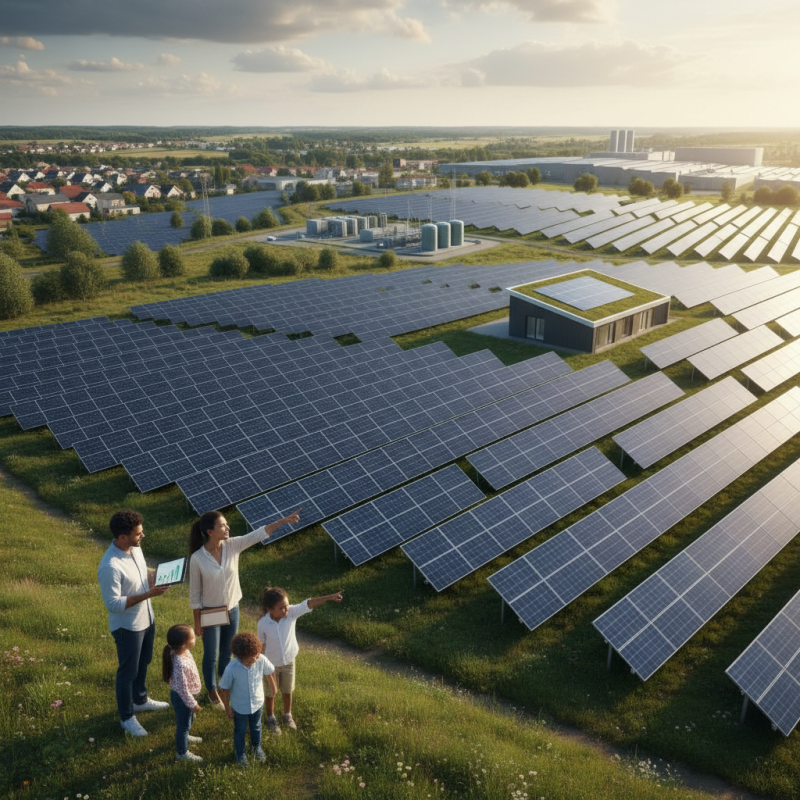
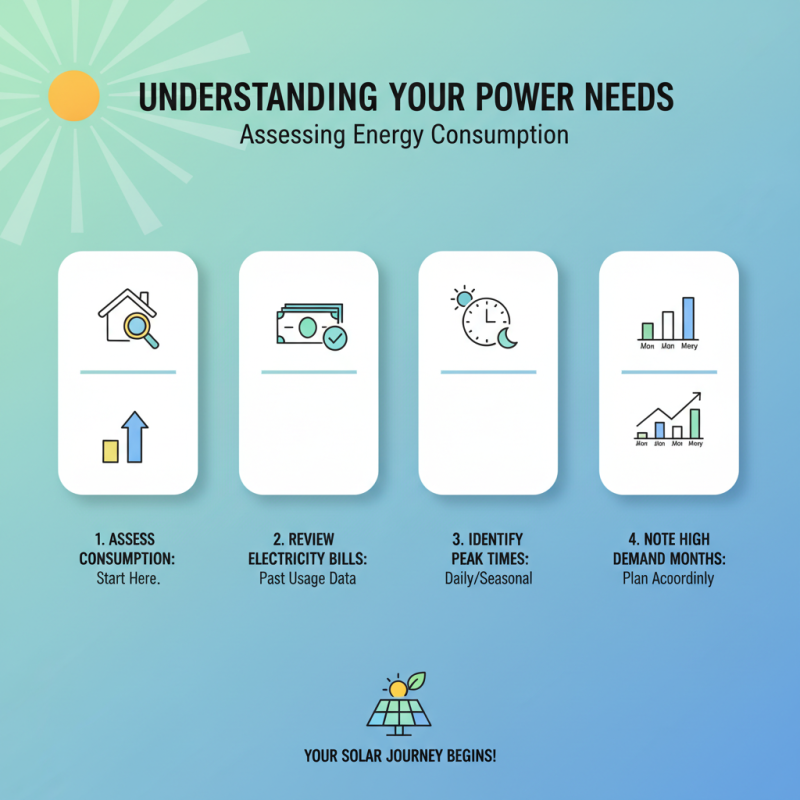
Understanding Your Power Needs: Assessing Energy Consumption
Understanding your power needs is crucial when considering solar solutions. Begin by assessing your energy consumption. Look at previous electricity bills. Identify your peak usage times. Note the months with higher demands. It helps to assess how much energy you typically use daily.
Consider the appliances you rely on. Listing power-hungry devices offers insight. Refrigerators, air conditioners, and heaters often consume significant energy. Evaluate their usage patterns. Do you run them consistently, or only during specific times? This reflection can influence your system's design.
Don’t forget to account for future needs. Do you plan to add more appliances or expand your home? Be mindful of potential changes in your lifestyle. An underpowered system may require costly upgrades later. Balancing current consumption and future growth is key. This approach ensures your solar system effectively meets your needs while avoiding waste.
Evaluating Different Types of Solar Solutions Available
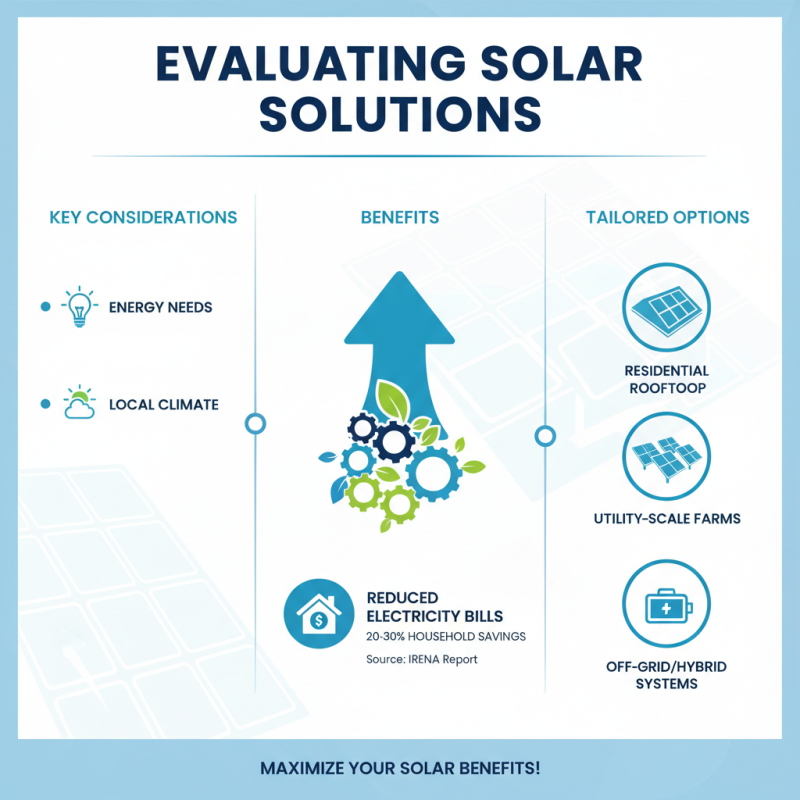
When evaluating different types of solar solutions, it's essential to consider your energy needs and local climate. A recent report by the International Renewable Energy Agency noted that solar power could significantly reduce electricity bills, which can drive 20-30% savings for households. Understanding these options helps tailor solutions that can maximize these benefits.
Solar panels are a popular choice. They convert sunlight directly into electricity. However, if your location receives less sunlight, you might consider solar thermal systems. These solutions use sunlight to generate heat for water and space heating. According to the Solar Energy Industries Association, these systems can be up to 70% more efficient than traditional methods in specific conditions, making them worth exploring.
**Tips:** When assessing solar options, analyze your current energy usage. Consider how much sunlight your property receives daily. Seek out local incentives or tax credits; these can make installations more affordable. Ultimately, the right choice will depend not only on efficiency but also on budget and installation costs. Factors like warranties and company reputation should also influence your decision-making process.
Comparing Solar Panel Efficiency and Performance Ratings
When evaluating solar panel efficiency, it's crucial to consider various performance ratings. Efficiency typically refers to how much sunlight a panel can convert into usable electricity. According to the National Renewable Energy Laboratory, the average efficiency of residential solar panels ranges between 15% to 22%. Higher efficiency panels produce more power in smaller spaces, which is ideal for urban environments.
Performance ratings, such as temperature coefficient and degradation rate, also significantly impact solar panel effectiveness. The temperature coefficient indicates how much a panel's output decreases as temperatures rise. A lower percentage signifies better performance in heat. Degradation rates reveal how much a panel's efficiency declines over time. Studies show that quality panels typically degrade at approximately 0.5% per year, while others may fall at 1% or more.
It is essential to reflect on these factors while making a choice. Some users prioritize upfront costs but might overlook long-term savings derived from high-efficiency panels. Balancing initial investments with lifetime performance can be complex. Each installation presents unique challenges, and data collection from your specific site is vital for making an informed decision.
Considering Installation and Maintenance Factors for Solar Systems
When choosing solar solutions, installation and maintenance are critical factors. Proper installation ensures optimal energy capture and system longevity. According to the National Renewable Energy Laboratory, incorrect installation can reduce energy efficiency by up to 30%. Hence, selecting an experienced installer is essential.
Consider the maintenance requirements. Regular cleaning and inspections can enhance the system's performance. A study from the Solar Energy Industries Association indicates that well-maintained solar systems generate up to 15% more energy annually. Homeowners must be proactive. Ensure foliage is trimmed, and check for debris accumulation.
**Tips:**
Schedule periodic maintenance checks. A small investment now can save money later. Always look for qualified technicians. They can identify potential issues early.
Ultimately, while installing and maintaining solar systems may seem daunting, understanding these elements can lead to better performance and savings. Make informed choices to harvest solar energy effectively.
Choosing the Best Power Solar Solutions: Installation and Maintenance Factors
Budgeting and Financing Options for Solar Power Solutions
When considering solar power solutions, budgeting and financing play a pivotal role. Many homeowners underestimate initial costs. It’s crucial to assess your budget accurately. This step ensures you can cover both installation and maintenance. Typical installations can range greatly. Some homeowners might spend more than $20,000, while others pay significantly less.
Financing options vary widely. Many people choose solar loans to cover upfront costs. These loans typically offer low-interest rates and flexible repayment options. Others may opt for leases or power purchase agreements. These agreements allow homeowners to use solar energy without the large initial investment. However, not everyone fully understands these choices. It's important to evaluate the long-term costs versus immediate benefits.
In addition to these options, government incentives can significantly impact costs. Tax credits and rebates can ease your financial burden. Yet, these programs may have specific requirements. Always review eligibility criteria to avoid unexpected surprises. Navigating solar financing requires careful thought and can be a learning process. Reflect on your financial situation and consult with a specialist for tailored advice.