How to Choose the Best Solar Panels Supplier for Your Needs?
Choosing the right solar panels supplier can be overwhelming. There are many options available. Each supplier claims to offer the best products and services. However, not all of them meet your requirements.
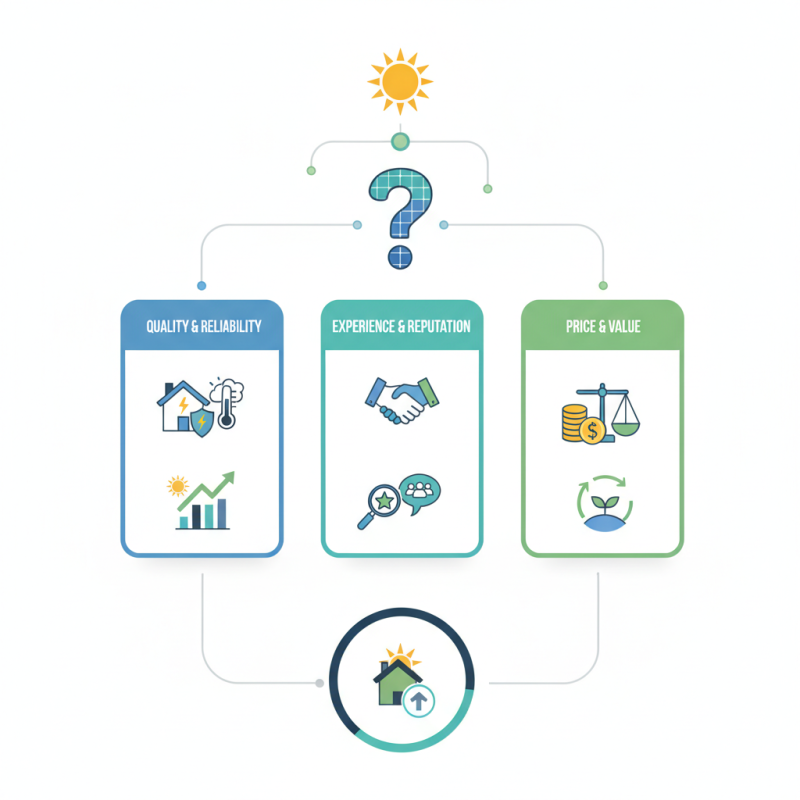
When searching for a solar panels supplier, consider quality and reliability. You need panels that can withstand harsh weather. The efficiency rating of the panels is also crucial. A supplier's experience and reputation will play a key role too. Reading customer reviews can provide insights into their performance.
Price is an important factor, but it shouldn't be the only criterion. Sometimes, cheaper options lead to disappointment. It’s essential to weigh cost against quality and service. Ultimately, the right supplier will match your needs while ensuring a good return on your investment. Choose wisely, as a good supplier can make a significant difference.
Understanding Your Solar Energy Needs and Goals
Understanding your solar energy needs and goals is essential before selecting a supplier. Start by evaluating your energy consumption. Look at your utility bills to see how much energy you use. This data helps identify the capacity needed for your solar system. Consider whether you want to cover all your energy needs or just a portion.
Think about your long-term goals. Are you aiming for energy independence or reducing your carbon footprint? Your objectives will influence the type of system you want. Research different systems, such as grid-tied or off-grid setups. Look into incentives and rebates in your area. It’s important to weigh the initial costs against long-term savings.
Don’t hesitate to ask questions. Be mindful of suppliers who offer vague answers. A reliable supplier will discuss your specific needs openly. It’s okay if you feel overwhelmed at times; this is a big decision. Reflect on your research and seek opinions from others who have installed solar. Your comfort with the information can lead you to the right choice for your solar journey.
Researching Solar Panel Suppliers: Key Factors to Consider
When researching solar panel suppliers, start by assessing their reputation. Look for customer reviews and testimonials. This gives insight into their reliability. A supplier with positive feedback typically offers better service. However, keep in mind that a few negative reviews might not represent the overall quality.
Evaluate the warranty and service agreements. A solid warranty can protect your investment. Some suppliers offer extended warranties, which can be a good indicator of their product durability. Yet, some agreements can be confusing. Always ask for clarifications on terms and conditions.
Consider the supplier's experience in the local market. An experienced supplier understands regional climates and regulations. This knowledge can help you make informed decisions. However, new suppliers may offer competitive prices and innovative solutions. Weigh the risks carefully before deciding.
Evaluating Supplier Credentials and Experience
When evaluating solar panel suppliers, their credentials matter. Look for certifications and industry affiliations. These show a commitment to standards. Check if the supplier has experience in solar installations. Experience can indicate reliability and expertise. However, not all experienced suppliers are perfect. Some may have outdated practices or a lack of innovation.
Visit the supplier's website. Read their case studies and customer testimonials. This will give you insights into their past projects. A strong portfolio often reflects their competency. But be cautious. Some testimonials may not be entirely authentic. Reach out to past customers for honest feedback. Inquire about challenges they faced and how effectively the supplier addressed them.
Ultimately, transparency is key. A reputable supplier will openly share their qualifications. They should be willing to discuss their project history. If they dodge these questions, consider this a red flag. Gather as much information as possible. Your choice of supplier can significantly affect your solar experience.
Evaluation of Solar Panel Suppliers
This chart represents the evaluation of different criteria for selecting a solar panel supplier based on their credentials and experience.
Comparing Solar Panel Technologies and Products Offered
Choosing the right solar panels involves understanding the various technologies available. Solar energy systems primarily utilize monocrystalline, polycrystalline, and thin-film technologies. Each type has unique characteristics. For instance, monocrystalline panels are often more efficient but can be pricier. Polycrystalline panels, while generally less efficient, are usually more affordable. Thin-film panels are lighter and flexible but may require more space due to lower efficiency.
When comparing solar products, consider factors like warranty periods and durability. A longer warranty often indicates better durability. Check how well the panels perform in various weather conditions. Some panels degrade faster in high temperatures or humidity. Researching real user experiences can provide insight. Often, consumers have mixed feelings about their investments. Some may expect more from their solar systems, while others are thrilled with their savings.
Make sure to evaluate the supplier's customer service. A supplier's responsiveness and support can greatly affect your experience. Product offerings should also align with your specific needs, such as energy consumption or available installation space. In the end, finding the best solar panel supplier balances all these factors. They must meet your expectations and add genuine value to your energy solutions.
How to Choose the Best Solar Panels Supplier for Your Needs?
| Supplier Type | Panel Efficiency (%) | Warranty (Years) | Technology Type | Cost per Watt ($) |
| Monocrystalline | 20-22 | 25 | Silicon | 2.50 - 3.00 |
| Polycrystalline | 15-20 | 25 | Silicon | 1.50 - 2.50 |
| Thin-Film | 10-13 | 10-25 | Cadmium Telluride (CdTe) | 1.00 - 1.50 |
| Building-Integrated PV (BIPV) | 15-18 | 20-25 | Various | 3.00 - 5.00 |
| Concentrated PV (CPV) | 25-30 | 20 | Multi-junction | 3.00 - 4.00 |
Assessing Customer Support and After-Sales Services
When selecting a solar panel supplier, customer support and after-sales services are crucial. A reliable supplier should offer clear communication and responsive assistance. Look for companies that provide multiple channels for support, such as phone, email, or live chat. Ideally, they should be available during convenient hours. Testimonials from previous customers can also give insight into their service quality.
After your solar panels are installed, after-sales services become vital. These services may include maintenance, troubleshooting, and warranty claims. Some suppliers offer regular check-ups or consultations to ensure everything runs smoothly. It’s essential to inquire about these services upfront. If a supplier has a lack of clarity on their after-sales support, that may raise concerns.
Another aspect to consider is whether the supplier provides educational resources post-purchase. Understanding how to operate and maintain your solar system is key. Look for online guides or workshops they may offer. Customer support should not just end after the sale, but continue throughout the ownership journey. This ongoing relationship can greatly affect your satisfaction and the system's performance.