How to Choose the Best Robot Lithium Battery for Your Needs?
When it comes to choosing the best robot lithium battery, several considerations come into play. A robot lithium battery can significantly affect the performance of your device. Selecting the right battery ensures reliability and efficiency in operation. You may find many options on the market, but not all will meet your needs.
Different applications require different specifications. Think about your robot's size, weight, and power requirements. A larger robot may need a high-capacity battery, while a smaller one can operate on less power. Also, consider the battery's lifespan. Some batteries may degrade faster than others, impacting your robot's performance over time.
It can be challenging to find a perfect match for your requirements. Mistakes can happen during this selection process. Often, users overlook voltage compatibility or discharge rates. These factors are crucial in ensuring that the robot performs optimally. Take time to research and reflect on your choices. A thoughtful approach can lead to better outcomes in selecting your robot lithium battery.
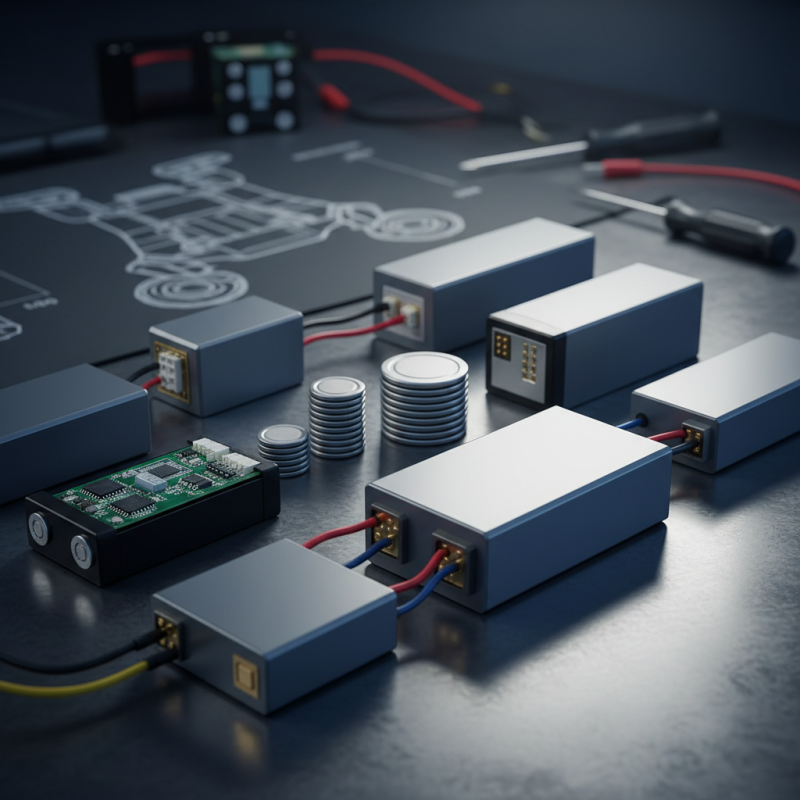
Understanding the Basics of Robot Lithium Batteries
Robot lithium batteries are key components in modern robotics. Understanding their specifications is crucial for choosing the right one. These batteries often range from 3.7V to 48V, depending on the application. The capacity is measured in amp-hours, impacting how long a battery can power a robot before needing a recharge.
Recent industry reports indicate that lithium batteries have a higher energy density compared to other types. For example, lithium-ion batteries can offer up to 250 Wh/kg. This means they store more energy in a smaller, lighter package. However, not all lithium batteries are created equal. A poorly designed battery may lead to inefficiencies or even safety issues.
Furthermore, charge cycles matter. High-quality lithium batteries typically endure 300 to 500 full cycles. After that, performance can degrade significantly. Practically, this reflects the battery runtime and efficiency. Thus, a careful balance must be struck. Users should consider how often their robot needs to recharge versus its operational demands. This nuanced understanding helps in selecting the best battery for specific robotics needs.
Evaluating Your Power Requirements for Robotics Applications
When choosing a robot lithium battery, power requirements are crucial. Assess your robotics application's voltage and current needs. This will help you determine the battery's capacity. A mismatch can lead to inefficient performance or even failure. Consider the environment too. Will the robot operate indoors or outdoors? Extreme temperatures can impact battery efficiency.
Look into the weight and size of the battery as well. A heavy battery can hinder mobility. A compact battery might save space but could impact power capacity. Think about runtime. How long does your robot need to run without recharging? A short runtime might not meet your project’s demands.
A battery’s lifespan is another factor. Lithium batteries tend to have a limited number of charge cycles. This could affect long-term costs. Some batteries may need frequent replacements. Don’t overlook safety features, too. Overcharging can be a risk if the battery lacks protective measures. Ultimately, understanding your robot’s needs will lead to a better battery choice. Embrace the trial and error in the selection process for optimal results.
How to Choose the Best Robot Lithium Battery for Your Needs?
| Battery Type | Voltage (V) | Capacity (Ah) | Weight (kg) | Cycle Life |
| Lithium Polymer (LiPo) | 11.1 | 5.0 | 0.5 | 300 |
| Lithium Iron Phosphate (LiFePO4) | 12.8 | 20.0 | 2.5 | 2000 |
| Lithium Nickel Manganese Cobalt (NMC) | 14.8 | 10.0 | 1.0 | 1000 |
| Lithium Cobalt Oxide (LCO) | 3.7 | 2.0 | 0.3 | 500 |
Comparing Different Types of Lithium Batteries for Robots
When selecting a lithium battery for robots, it's essential to compare different types effectively. Lithium iron phosphate (LiFePO4) batteries offer excellent thermal stability and safety. They typically have a cycle life of 2000 to 5000 cycles, which far exceeds other lithium options. This makes them suitable for applications where longevity is a priority.
On the other hand, lithium polymer (LiPo) batteries deliver high energy density. This means they can provide more power in a smaller space, ideal for compact robots. However, LiPo batteries have shorter lifespans, usually around 300 to 500 cycles. They also require careful handling due to their sensitivity.
Consider your robot's needs. Does it demand high power in a limited space, or is longevity more critical? Industry reports suggest that nearly 70% of consumers prioritize energy density over cycle life. This trend could lead to choices that favor performance but might overlook long-term costs. Always weigh the trade-offs carefully.
Assessing Battery Lifespan and Performance Metrics
When choosing the best robot lithium battery, assessing lifespan and performance metrics is crucial. Lifespan often varies significantly based on usage. A battery that lasts for years may not perform well in high-demand situations. It’s essential to consider how long the battery can maintain a charge under typical usage.
Performance metrics include discharge rates and cycle counts. Higher discharge rates can indicate better performance, but they may also shorten lifespan. Users should focus on how often they recharge the battery. Frequent recharges can lead to faster wear and reduced efficiency.
Additionally, be aware of the specific needs of your robot. If it operates under heavy loads, performance will be compromised. Durability against heat and cold can also impact lifespan. Analyzing these factors helps in making a more informed decision. It's important to remember that choosing a battery is not just about the specifications on paper; real-world performance can differ. Always think critically about your selections.
Choosing the Right Battery Size and Compatibility for Your Robot
When choosing a robot lithium battery, size and compatibility are crucial. Your robot's design dictates the battery size. A small robot may not fit a large battery. Overloading can damage components. Ensure the battery can supply enough power while fitting snugly.
Tips: Measure your robot's battery compartment accurately. This helps avoid surprises. A tight fit can improve efficiency but may cause overheating. Check the robot's manual for compatibility details. Some robots only support specific battery types. Using the wrong battery can lead to performance issues.
Battery capacity matters too. It affects how long your robot can operate. A higher capacity can mean longer run times but can increase weight. Balance is key. Make sure the battery can handle the robot's demands under real conditions. Test different options to find the best mix of size and runtime.