How to Choose the Best Eave Lighting for Your Home?
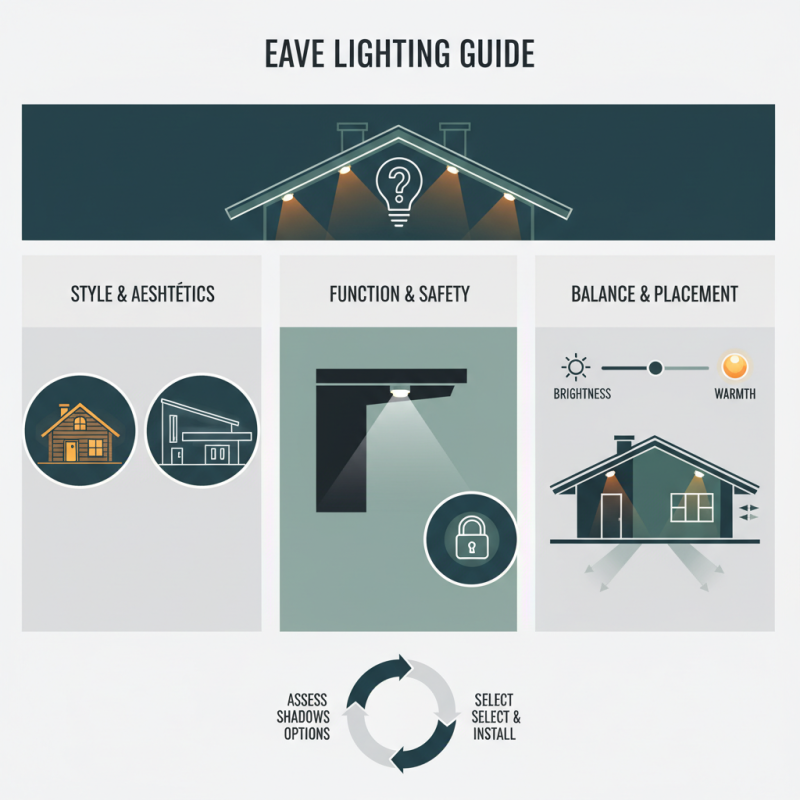
Choosing the right Eave Lighting for your home can feel overwhelming. The options are vast, each claiming to be the best. Yet, eave lighting serves a functional purpose beyond aesthetics. It enhances safety and security by illuminating dark corners.
Consider the style of your home. Rustic homes benefit from warm-toned lights, while modern designs may suit sleek, minimalist fixtures. Think about placement too. Positioning lights under eaves provides better coverage and highlights architectural features.
However, it is important to remember that too much lighting can feel harsh. Balancing brightness and warmth is key. Reflecting on your outdoor space can help make better choices. Are existing shadows creating unsafe areas? Better eave lighting could resolve this. Embrace the process of selection, and don’t rush in. Sometimes, the perfect light takes time to discover.
Understanding the Different Types of Eave Lighting Options Available
When considering eave lighting for your home, it's important to explore various options available. Wall-mounted fixtures are popular. They often enhance the facade while providing practical illumination. These fixtures can direct light downwards, covering entryways and patios efficiently. Motion sensor lights are another option. They add security and convenience. Imagine walking up to a dark house, but lights activate as you approach.
String lights offer a charming, festive touch. They can wrap around eaves or railings, perfect for gatherings or cozy evenings. Solar-powered lights are eco-friendly and cost-effective. They absorb sunlight during the day and glow at night, reducing your energy bills. However, their brightness may vary based on sunlight exposure. Consider this when planning your installation.
Recessed lights give a sleek, modern appeal. They fit snugly into eaves, providing a clean look. However, installation can be tricky. Cutting through eaves requires precision, and mistakes can lead to costly repairs. Ultimately, evaluate your needs and design preferences wisely, balancing aesthetics with functionality.
Evaluating Your Home's Architecture and Style for Lighting Choices
When evaluating your home's architecture and style, eave lighting can enhance the overall aesthetic. Different architectural designs require specific lighting considerations. For instance, traditional homes often benefit from warm, inviting lights, while modern designs may favor sleek, minimalist fixtures. According to a recent survey, 71% of homeowners agree that outdoor lighting complements their home’s style.
The choice of eave lighting should also reflect your home’s unique features. Consider the colors, materials, and shapes present. A contemporary home with sharp angles looks striking with linear lighting. In contrast, a historical house with ornate details best suits soft-glow sconces. Data indicates that 63% of architects recommend fixtures that harmonize with existing elements rather than compete for attention.
It’s essential to consider practical aspects as well. Assessing the height and placement of eave lights can be tricky. Poor lighting placement may lead to shadows or an unwelcoming atmosphere. While aiming for a cohesive look, it’s easy to overlook safety and functionality. The perfect balance between style and utility is crucial for creating a warm, inviting outdoor space.
Establishing the Purpose and Functionality of Eave Lighting
When selecting eave lighting, understanding its purpose is crucial. Eave lighting serves multiple functions, such as enhancing security and improving aesthetics. According to a report from the National Association of Home Builders, well-placed outdoor lighting can deter crime and increase property security by up to 35%. A well-lit exterior makes it harder for intruders to hide.
Illuminate your home’s architectural features. Highlighting textures and shapes adds depth to your property. For practical use, consider motion-sensor lights. A study indicates that homes with motion-activated lights see a significant drop in unwanted visitors. This strategy not only increases safety but can also lower electricity costs.
Tip: Choose LED lights for eave installations. They are energy-efficient and have a longer lifespan. Keep in mind the brightness level; too much light can be harsh and uncomfortable. Be reflective about the impact of your choices. Sometimes, less is more when it comes to outdoor lighting. Aim for a balance that serves both form and function without overwhelming your space.
How to Choose the Best Eave Lighting for Your Home
The chart above illustrates the importance rating of various factors to consider when choosing eave lighting for your home. Aesthetic appeal and energy efficiency are rated as the most critical aspects, followed by brightness level, durability, and ease of installation.
Considering Energy Efficiency and Bulb Types for Eave Lighting
Choosing the right eave lighting incorporates understanding energy efficiency and bulb types. Most homeowners prefer LED bulbs. They consume less energy than traditional bulbs. This reduces electricity bills. It's an appealing choice for many. Look for bulbs that are rated for outdoor use. These are designed to withstand weather conditions.
CFLs are another option. They use more energy than LEDs but can still save money over time. However, they may not be as durable. Consider the brightness evaluated in lumens. A higher lumen count means more light. This can enhance safety around your home.
Incandescent bulbs are less efficient. Their energy use is high, leading to increased costs. They also produce more heat, which isn't ideal for outdoor settings. Reflect on the longevity of each option as well. LED bulbs can last for years, saving you money in the long run. Each type has its pros and cons. Balancing efficiency with your home's aesthetic is crucial. Your choice should reflect both functionality and style.
How to Choose the Best Eave Lighting for Your Home? - Considering Energy Efficiency and Bulb Types for Eave Lighting
| Bulb Type | Lifespan (Hours) | Energy Consumption (Watts) | Lumens Output | Energy Efficiency Rating |
| LED | 25,000+ | 8-10 | 800-1600 | A+ |
| CFL | 10,000 | 13-15 | 800-1200 | A |
| Incandescent | 1,000 | 60-100 | 800 | E |
| Halogen | 2,000 | 40-50 | 750-1500 | D |
Installation and Maintenance Tips for Long-lasting Eave Lighting
Proper installation and maintenance of eave lighting are essential for safety and longevity. According to the National Electrical Contractors Association, improper installation can lead to lighting failures, which often happen within the first year. Aim for a combination of aesthetic appeal and functional use when installing your lights. Use weather-resistant materials for outdoor fixtures. Ensure your wiring is secure and follows local electrical codes. A professional installation can be a worthwhile investment.
Maintenance is equally crucial for eave lighting performance. Regularly inspect your fixtures for cracks or corrosion. Replace burnt-out bulbs promptly to avoid strain on your electrical system. Researchers found that 58% of outdoor lighting issues stem from neglect and lack of maintenance. Clean lenses and fixtures at least once a season. Dust and debris can drastically reduce light output. Light should illuminate walkways, but it can also be decorative. Reflect on how your lighting serves your home.
Consider energy-efficient options to reduce long-term costs. LED lights, for example, can be four to five times more efficient than traditional bulbs. They also have a longer lifespan and require less maintenance. Explore various designs that complement your home’s aesthetics. A bit of planning can help avoid mismatched styles and functionality issues. Remember, the goal is consistent performance and visual satisfaction. Regular upkeep will keep your eave lighting functional and inviting.