Why Choose a Wifi Smart Switch for Your Home Automation?
As homes become more connected, a Wifi Smart Switch emerges as a popular choice for automation. These devices offer a simple way to control lights and electronics remotely. Imagine arriving home and having your living room lights turn on automatically. This convenience appeals to many homeowners.
A Wifi Smart Switch can integrate seamlessly into daily life. It allows you to manage devices through your smartphone or voice commands. Imagine adjusting the lights without getting off the couch. However, it's important to consider some challenges. Not all Wifi Smart Switches are compatible with existing systems. Some may require additional hubs or configurations, which can be frustrating.
Despite these potential drawbacks, the advantages are compelling. A Wifi Smart Switch can increase energy efficiency, saving you money in the long run. Additionally, they enhance security, allowing you to control lights when away. Ultimately, embracing this technology can lead to a more convenient and smart home, but it's essential to choose wisely.
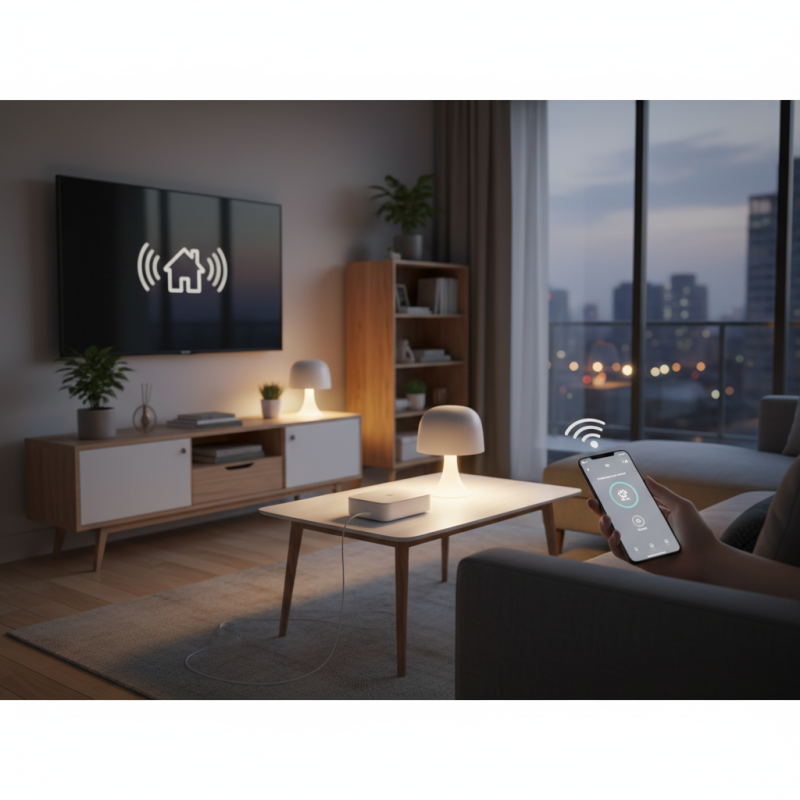
Benefits of Wifi Smart Switches in Home Automation Systems
Wifi smart switches are gaining popularity in home automation systems. According to a recent report by MarketsandMarkets, the global smart switch market is expected to reach $22.1 billion by 2025. This rapid growth highlights their significance in modern homes.
One key benefit of wifi smart switches is convenience. Users can control their lighting from anywhere with a smartphone. Imagine arriving home after a long day and turning on the lights without getting out of your car. Studies reveal that nearly 70% of homeowners prefer this kind of remote access. However, ease of use can sometimes lead to reliance on technology. Some users feel uneasy when systems fail, leading to frustration.
Energy efficiency is another compelling factor. Wifi smart switches can help reduce energy consumption by scheduling lights to turn off when not needed. The U.S. Department of Energy estimates that homeowners can save up to 10% on their energy bills with smart lighting solutions. Yet, a portion of users forget to manage these features regularly. This can result in wasted energy, showing that even smart solutions need mindfulness to achieve their goals.
Integration of Smart Switches with Other Smart Devices
Smart switches are becoming essential in home automation. Their ability to integrate with other smart devices enhances convenience and efficiency. According to a recent industry report, the smart home market is projected to grow by 25% annually. In this scenario, a smart switch acts as a central hub, allowing seamless communication among devices. For instance, when paired with smart lights and sensors, the switch can automatically control lighting based on occupancy, which saves energy and enhances comfort.
Tips: Consider the compatibility of your smart switch with existing devices. Before buying, check if it works with popular platforms like voice assistants or security systems. Often, users find that not all devices play well together.
Moreover, the integration of smart switches helps in creating automated routines. For example, they can trigger different moods for various times of the day. Yet, some users experience connectivity issues. These glitches can lead to frustration. Regular updates are crucial for improving performance. Understanding these challenges is vital for effective home automation.
Energy Efficiency Statistics Related to Smart Switch Usage
In today's world, energy efficiency is crucial. Smart switches offer an innovative way to reduce energy consumption at home. According to studies, homes with smart switches can save up to 30% on electricity bills. This is impressive, especially considering how small changes can lead to significant savings.
By managing lighting remotely, residents can avoid leaving lights on unnecessarily. It’s easy to forget to turn off a light after leaving a room. Smart switches can be programmed to turn off after certain hours. Yet, not everyone uses them correctly. Some may overlook scheduling features, missing out on potential savings.
Moreover, energy-efficient switches can enhance the overall functionality of home automation. They can be linked to various devices, creating a seamless ecosystem. Despite their popularity, a few users report challenges with connectivity. This can be frustrating and may require troubleshooting. It’s essential to weigh these factors when considering smart switches for your home.
Cost Savings and ROI from Installing Wifi Smart Switches
Incorporating WiFi smart switches into home automation can lead to significant cost savings. A recent study by the International Energy Agency highlighted that smart home devices could reduce energy consumption by up to 30%. This reduction not only lessens monthly utility bills, but also contributes to a greener environment. By managing energy use more efficiently, homeowners can save hundreds annually.
Beyond energy savings, the return on investment (ROI) can be impressive. The same report notes that the initial costs of installing smart switches are often recouped within three to five years through reduced energy bills. Families typically notice a difference in their electricity spending after just a few months of use. Yet, some may overlook the potential for greater savings by not fully utilizing the features of their devices.
For example, automation features can enable lights to turn off automatically, which prevents wasted energy. However, many users might struggle with the setup process or forget to schedule regular routines. Ensuring proper use of these devices is vital to maximize savings. Awareness and education can bridge this gap, leading to more thoughtful implementation of smart switches in homes.
User-Friendly Features and Customization Options in Smart Switches
When considering home automation, a WiFi smart switch offers unique user-friendly features. One of the most significant advantages is its easy installation process. You can replace your standard light switch in just a few minutes. This simple setup allows many homeowners to embrace smart technology without extensive electrical knowledge. Yet, some may find the initial wiring daunting.
Customization options in these smart switches are abundant. Users can set schedules for lighting, adjusting brightness, or even changing colors, creating a personalized ambiance. You might prefer a warm light for cozy evenings, while bright white could invigorate your mornings. But with so many options, it’s easy to feel overwhelmed. Finding the right settings that suit your lifestyle might take time and experimentation.
Additionally, smart switches can integrate with other devices for a seamless experience. You can connect it with voice assistants, motion sensors, and more. However, it’s crucial to evaluate your current setup before expanding. Sometimes, incompatibilities can arise, causing frustration. It’s essential to reflect on what features you really need versus what seems exciting but may complicate your experience.
Why Choose a Wifi Smart Switch for Your Home Automation?