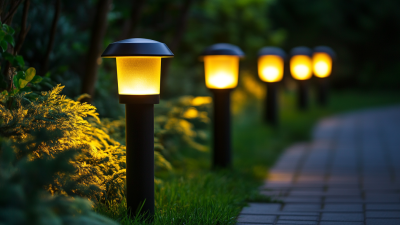
How to Choose Solar Power Lights for Your Needs?
Choosing Solar Power Lights is not simply a matter of picking the brightest product online. Your garden path, driveway, balcony, or emergency kit may need very different lighting performance. A small pathway light can guide footsteps, while a security lamp must detect movement and cover a wider area. Understanding these differences helps you spend wisely and avoid disappointing results.
In practical use, sunlight exposure often matters more than advertised brightness. A panel placed beneath dense branches may charge poorly, even with a large battery. Check the panel’s position, daily sunlight, battery capacity, lighting duration, weather resistance, and sensor range. Also consider the light’s color temperature. Warm light feels comfortable near seating areas, while cooler light can improve visibility around entrances. These details are easy to overlook.
Reliable guidance should come from manufacturer specifications, independent testing, and real outdoor experience. Look for clear information about waterproof ratings, battery replacement, charging time, and warranty support. Terms like “long-lasting” are not enough. Ask how many hours the light works after a cloudy day. That answer may reveal more than a polished product photograph.
There is no perfect choice.
Even well-reviewed Solar Power Lights can perform differently across seasons and climates. Winter sunlight, dust, shade, and low temperatures may reduce output. This guide explains how to compare essential features, match lights with specific spaces, and recognize claims that deserve closer inspection. A thoughtful choice may not be the most powerful one. It should be the one that performs reliably where you actually need it.
Understanding Solar Power Light Types and Applications
How to Choose Solar Power Lights for Your Needs?
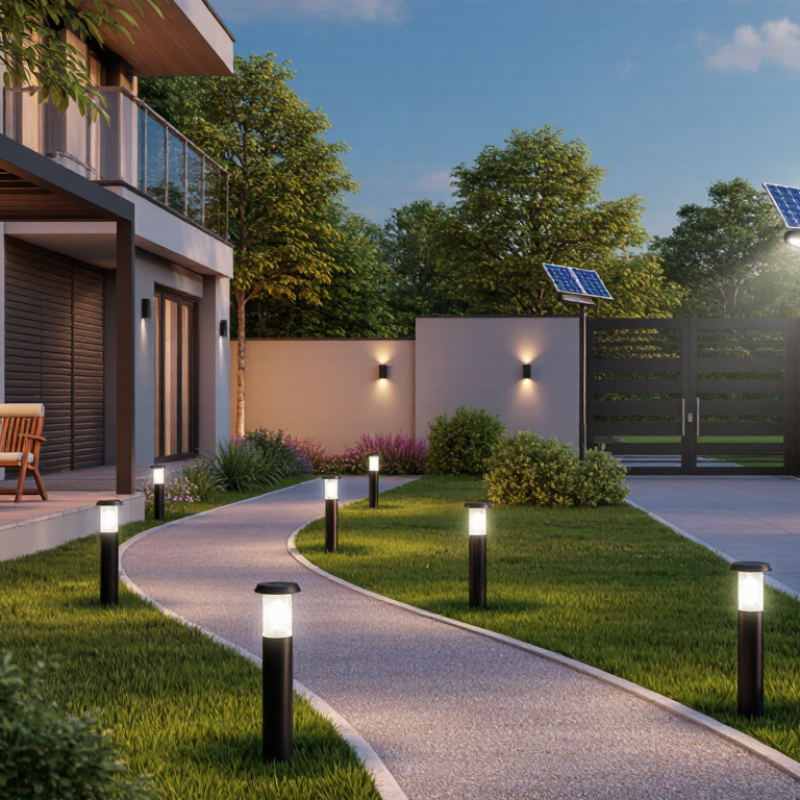
Solar power lights differ by application, not just appearance. Pathway lights suit garden edges and walkways, while floodlights cover driveways, walls, and entrances. Portable lanterns support camping or emergency lighting. Solar street lights require larger panels, stronger batteries, and careful pole spacing. In real installations, shade is often the hidden problem. A panel under tree branches may produce less energy than expected, especially during winter.
Check three technical details: lumen output, battery capacity, and operating time. A small pathway light may need only 20–100 lumens, but a security floodlight often needs several hundred lumens. Motion sensors can reduce battery use when nobody is present. Warm light feels comfortable near homes, while neutral white light can improve visibility along paths.
The U.S. Department of Energy reports that LED lighting uses at least 75% less energy than incandescent lighting and can last up to 25 times longer. That supports solar systems with smaller energy demands.
The World Bank and Lighting Global reported that off-grid solar products had reached about 490 million people by 2022, showing their practical value in underserved areas.
Weather resistance matters too. Look for an appropriate IP rating, sealed battery housing, and replaceable components. Still, performance depends on local sunlight, temperature, and maintenance. A light rated for ten hours may deliver less after several cloudy days.
Measure the installation area first. Then choose brightness, panel size, and battery storage together.
Assessing Brightness, Coverage, and Lighting Performance
How to Choose Solar Power Lights for Your Needs?
Brightness should match the area, not just the product label. Lumens indicate visible output, while coverage shows how widely that light spreads. A narrow beam may brighten a doorway but leave nearby steps dark. For paths, look for even illumination rather than intense glare. A patio usually needs broader coverage and steadier performance.
I once chose a light that looked bright in a shop. It felt disappointing outdoors. The surrounding walls, trees, and ground absorbed much of the light. Check the mounting height, beam angle, and distance between fixtures. A motion sensor can save energy, but frequent activation may shorten overnight performance. Consider measured runtime after a cloudy day, not only ideal laboratory figures. No light is perfect.
Tips: Compare lumen ratings with real coverage diagrams. Place the panel where it receives direct sunlight for several hours. Keep leaves and dust away from its surface. Choose a warmer color temperature near seating areas, because harsh white light can feel uncomfortable. Test one fixture before buying several. This simple step may prevent an expensive mistake. Also, review weather resistance details and installation instructions. They reveal practical limits that attractive photographs often hide.
How to Choose Solar Power Lights for Your Needs? - Assessing Brightness, Coverage, and Lighting Performance
| Light Type | Typical Brightness | Effective Coverage | Recommended Mounting Height | Typical Operating Time | Best Use | Performance Considerations |
|---|---|---|---|---|---|---|
| Pathway and Bollard Lights | 10–80 lumens | 1–3 m around each fixture | 0.3–1.0 m | 6–12 hours, depending on sunlight and battery size | Walkways, garden borders, driveways, and decorative landscaping | Designed for orientation rather than security-level illumination; spacing and fixture height strongly affect continuity. |
| Wall-Mounted Sensor Lights | 200–800 lumens | 5–12 m forward or below the fixture | 1.8–2.5 m | Several weeks to months on standby; 20–120 minutes of light per night is common | Entrances, porches, garages, side passages, and security lighting | Motion-sensor range, detection angle, activation delay, and adjustable lighting duration determine practical coverage. |
| Floodlights | 800–3,000 lumens | 20–50 m², depending on beam angle and mounting height | 2.5–4.0 m | Typically 1–10 hours at high output after adequate charging | Yards, building facades, loading areas, parking spaces, and broad security zones | Higher lumen output does not always mean better illumination; beam angle, glare control, and aiming are equally important. |
| Solar Street and Area Lights | 2,000–10,000+ lumens | 50–250 m² or more, based on pole height and optical design | 3–8 m | 8–12 hours of scheduled or sensor-controlled lighting | Roads, pathways, courtyards, car parks, and large outdoor areas | Photometric distribution, battery capacity, seasonal solar conditions, and pole spacing should be assessed together. |
| String and Decorative Lights | 1–10 lumens per LED | Decorative glow across 5–15 m of cable | 0.5–3.0 m | 6–10 hours after a full charge | Patios, balconies, pergolas, fences, and event decoration | Suitable for ambiance, not task lighting; cable length and LED spacing influence visual uniformity. |
| Portable Solar Lanterns | 30–300 lumens | 5–20 m² for general close-range illumination | Tabletop or hand-held | 4–24 hours, depending on brightness setting and battery capacity | Camping, emergency lighting, outdoor dining, and temporary work areas | Multiple brightness modes can extend runtime; diffused covers reduce glare but may lower peak intensity. |
Comparing Battery Capacity, Solar Panels, and Charging Time
How to Choose Solar Power Lights for Your Needs?
Battery capacity determines how long a solar light can operate after sunset. Check watt-hours rather than milliamp-hours alone. Watt-hours combine voltage and battery size, giving a clearer comparison. A 12-watt-hour battery may support six hours at two watts. Real performance varies with temperature, battery age, and brightness settings. Larger capacity helps during cloudy weather, but it can require longer charging.
The solar panel controls how quickly that battery recovers. A small panel may maintain low brightness, yet struggle after several overcast days. Compare panel wattage with battery capacity. For example, a 2-watt panel charging a 12-watt-hour battery needs six hours under ideal conditions. Energy losses can extend this to eight or ten hours of useful sunlight. Shade from a roof edge matters more than many product descriptions admit.
Charging time should match your local daylight pattern. Observe the installation area at noon and again in late afternoon. Winter sunlight may be weaker and shorter. I once selected a light with a large battery but an undersized panel. It worked well for two evenings, then dimmed repeatedly. That mistake changed my buying habit: I now check panel output, expected sunlight, and nightly energy use together. Motion sensors can reduce consumption, but their settings need testing near walkways. Oversensitive detection wastes stored energy. Dramatic brightness is not always practical.
Evaluating Weather Resistance, Installation, and Maintenance
How to Choose Solar Power Lights for Your Needs?
Evaluating Weather Resistance, Installation, and Maintenance
Outdoor solar lights face rain, dust, heat, and repeated temperature changes. Check the enclosure’s IP rating before comparing brightness. Under IEC 60529, IP65 means dust protection and resistance to water jets. IP67 adds temporary immersion protection. This matters near sprinklers, coastal paths, or poorly drained soil. A higher rating helps, but seals can still age.
Placement is equally important. Install the panel where it receives several hours of direct sunlight, not beneath dense branches or a balcony. Even partial shade can reduce charging noticeably. The National Renewable Energy Laboratory’s review of more than 2,000 photovoltaic degradation rates found a median decline of about 0.5% annually. Panels slowly lose output. Keep it simple. Avoid locations that collect leaves or snow.
Maintenance is usually small, but not zero. Wipe the panel with a soft, damp cloth every few months, especially after pollen or dust storms. Inspect cable joints and mounting screws after severe weather. The U.S. Department of Energy’s solid-state lighting reports identify LED lifetimes exceeding 50,000 hours under controlled conditions, yet batteries and drivers may fail earlier. A replaceable battery is more practical than a sealed unit. Check replacement access before installation. I have found that “maintenance-free” often means “maintenance is easy to overlook.” Performance also depends on local winter darkness, so a light that works well in July may disappoint in December.
Selecting Features, Costs, and Long-Term Value
How to Choose Solar Power Lights for Your Needs?
Selecting solar lights starts with the space, not the appearance. A narrow walkway needs fewer lumens than a security area. Check the light’s stated coverage, beam angle, and color temperature. Warm light feels comfortable near seating areas. Cooler light can improve visibility around entrances. Motion sensors also reduce battery use, but cheap sensors may trigger from passing pets. That detail matters.
Study the panel size and battery capacity together. A bright lamp with a small battery may fade before dawn. Look for tested runtime under realistic conditions, not only ideal summer sunlight. In shaded gardens, a remote panel can collect more energy. Check the IP rating when rain, dust, or sprinklers are present. Installation should feel secure. Loose stakes often tilt after heavy weather.
Cost requires a longer view. Include replacement batteries, mounting hardware, and possible maintenance. A lower purchase price may become expensive after repeated battery changes. Lithium-based batteries often offer useful performance, but temperature and charging design still affect service life. Read the warranty terms carefully. Some warranties exclude batteries or outdoor damage. I once underestimated winter darkness when planning a pathway, and the spacing looked fine on paper. It was not. Leave room for imperfect weather, seasonal shade, and changing household needs. A simple energy estimate helps, though no estimate remains exact outdoors. Test one light before buying many.
How to Choose Solar Power Lights for Your Needs?
Selecting features, costs, and long-term value
This planning comparison uses typical non-branded retail specifications. Pathway lights generally prioritize low cost and decorative illumination, motion-activated security lights provide higher brightness with occasional operation, and floodlights deliver the strongest coverage at a higher purchase price. Five-year ownership cost includes the estimated initial price and one replacement battery during the service period.
For the best long-term value, compare brightness, expected nightly runtime, motion sensing, weather resistance, battery replaceability, and warranty coverage—not only the upfront price.
Related Posts
-
Future of Solar Lighting Market Insights for Global Buyers and How to Optimize Your Procurement Strategy
-
China Top 10 Industrial Solar Lights Suppliers
-
Ultimate Guide to Choosing the Best Solar Panels Lights for Your Business
-
The Future of Best Solar Lighting Innovations Transforming Global Energy Solutions
-
Exploring Solar Lighting Outdoor Innovations at the 2025 China Import and Export Fair
-
Exploring Innovative Solar Lighting Alternatives for Sustainable Global Supply Chains