China Top 10 Wear Plate Manufacturers for Global Buyers
Choosing the right Wear Plate supplier can determine whether a mining chute lasts months or several years. For global buyers, price is only one part of the decision. Hardness, impact toughness, chemical composition, plate thickness, welding behavior, and delivery reliability deserve equal attention.
Professor Ian Hutchings, a leading tribology scholar, describes wear as “the progressive loss of substance from operating surfaces caused by relative motion.” His definition explains why a simple hardness ranking cannot tell the whole story. Abrasive stone, falling ore, sliding coal, and wet slurry create different failure patterns. A plate that performs well inside a quarry may disappoint in a cement plant.
This guide reviews China’s top ten Wear Plate manufacturers for international purchasing teams. It considers manufacturing capacity, quality control, certifications, technical support, customization, export experience, and product consistency. Samples, mill certificates, and welding guidance matter more than polished catalog language. Look closely at production details: plate straightness, surface condition, cut-edge quality, and traceable heat numbers.
Some comparisons remain imperfect. Public information can change, and supplier performance may vary between batches. Buyers should verify current test reports and inspect critical orders independently. That extra step may feel slow. It can prevent costly shutdowns later.
The manufacturers listed here are not ranked by marketing claims alone. Their practical value depends on application, service conditions, and communication after purchase. A reliable supplier should discuss failure risks honestly, even when the answer is not the cheapest option.
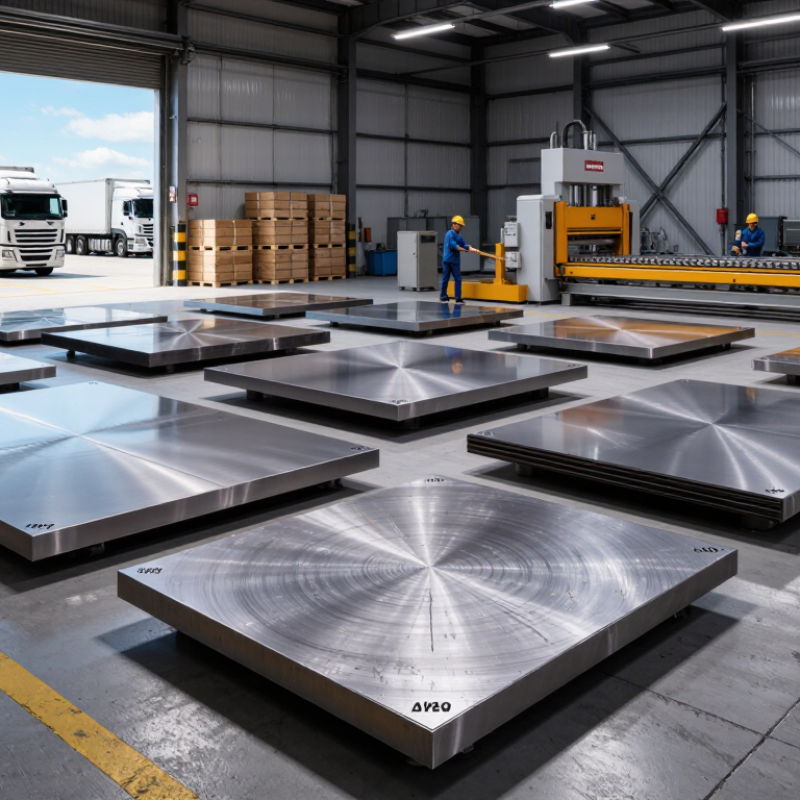
China’s Wear Plate Manufacturing Landscape and Global Market Role
China’s wear plate sector sits inside the world’s largest steelmaking base. The World Steel Association reported 1,019 million tonnes of Chinese crude steel production in 2023. That represented roughly 54% of global output. This scale supports stable access to alloying materials, rolling capacity, and heat-treatment facilities.
Export activity also strengthens China’s global market role. China Customs recorded approximately 90.3 million tonnes of exported steel products in 2023. Industry research from Grand View Research identifies construction, mining, and energy as major demand fields for wear-resistant steel. However, market estimates vary by definition and region. Buyers should treat forecasts carefully.
Manufacturers commonly provide quenched and tempered plates for dump bodies, crushers, feeders, and excavator parts. Practical selection depends on hardness, impact toughness, thickness tolerance, and welding guidance. A plate marked 450 HBW may still perform differently after cutting or poor heat control. That detail is easy to miss.
For global buyers, factory audits should examine test certificates, furnace records, surface repairs, and ultrasonic inspection procedures. EN 10025, ASTM specifications, and project-specific requirements may not align perfectly. Translation can create another risk. Experienced purchasing teams compare original mill data with independent inspection results before shipment. China offers strong production depth, but quality consistency still requires evidence, not assumptions.
Key Products, Industries, and Performance Differences
China Top 10 Wear Plate Manufacturers for Global Buyers
Key Products, Industries, and Performance Differences
Global buyers comparing China’s top ten wear plate manufacturers should examine product purpose, not catalog size. Common options include quenched and tempered abrasion-resistant plates, high-manganese steel, chromium carbide overlay plates, and customized composite panels. Each type serves a different wear pattern.
Quenched plates suit dump bodies, crushers, loaders, and mining chutes exposed to sliding abrasion. Their hardness often ranges from 400 to 600 HBW, while toughness supports impact-heavy work. Overlay plates use a welded hardfacing layer for severe mineral abrasion. They can last longer in conveyor transfer points, but their weld seams require careful inspection. High-manganese steel performs differently under repeated impact. It hardens during service, although it may disappoint in low-impact sliding conditions.
Industrial buyers should request mill test certificates, hardness maps, chemical analysis, and ultrasonic inspection records. Thickness tolerance matters when plates are cut for buckets or truck liners. Welding procedures also affect performance, especially near the heat-affected zone. In practical procurement, I would compare sample plates under similar load, not rely on hardness alone. Abrasion tells only part.
Some published service-life claims seem optimistic. Real results change with moisture, particle size, impact angle, and maintenance quality. A plate lasting twelve months in dry iron ore may fail much sooner in wet, sharp aggregate. Buyers should confirm cutting limits, bending radius, packaging protection, and after-sales inspection support before approving a large order. Fit matters more.
Purchasing, Quality Control, and Export Considerations
China Top 10 Wear Plate Manufacturers for Global Buyers
Purchasing wear plate requires more than comparing prices. Global crude steel output reached about 1.89 billion tonnes in 2023, according to World Steel Association data. This scale creates many suppliers, but capacity does not guarantee stable quality. Buyers should request mill certificates, heat numbers, chemical composition, hardness results, and thickness tolerances. Ask whether each document matches the shipped plate. A missing heat number is a serious warning.
Quality control should include sampling before loading. Independent inspectors can verify surface cracks, dimensions, hardness, and ultrasonic results. ISO’s 2022 survey recorded more than 1.2 million ISO 9001 certificates worldwide, yet certification alone cannot prove wear performance. Test methods and acceptance limits must appear in the purchase contract. A useful specification includes abrasion testing, impact requirements, edge condition, and repair rules. Perfect paperwork is rare. That deserves attention.
Tips:
Compare three suppliers using the same technical sheet. Request recent test reports, not only templates. Confirm packing for sea transport, including waterproof wrapping and timber supports. Check the HS code, commercial invoice, certificate of origin, and bill of lading before shipment. The World Bank’s 2023 Logistics Performance Index shows major differences in customs efficiency and shipment reliability across markets. Therefore, confirm export experience for your destination port. Also clarify Incoterms, inspection responsibility, delivery tolerance, and the process for damaged plates. A cheap quote can become expensive after port delays, re-testing, or rejected material.