10 Best Solvent Adhesives for Global Buyers
Choosing a Solvent Adhesive is not simply a search for the strongest bond. Global buyers must match the formulation to the substrate, production speed, service temperature, and application method. A flexible packaging line, for example, may need a different balance of tack and drying time than a shoe factory bonding rubber to leather. Small differences matter.
The scale of the wider market helps explain the crowded supplier landscape. Grand View Research valued the global adhesives market at USD 72.6 billion in 2023 and forecast a 5.4% compound annual growth rate from 2024 to 2030. This figure covers adhesives broadly, not solvent-based products alone. Buyers should treat it as market context, not a solvent-adhesive sales estimate. Dr. Steven Abbott, an adhesion-science specialist and author, emphasizes a useful principle in his published guidance: bond performance depends on the complete interface, not the adhesive in isolation. That means surface preparation and application conditions deserve as much attention as a product’s headline strength.
This guide compares ten solvent adhesives through practical purchasing criteria, including substrate compatibility, bond flexibility, cure behavior, and technical documentation. Product rankings can only be a starting point. A sample that performs well on a clean test panel may behave differently on a dusty factory floor. That is worth remembering. Verify supplier specifications, request application-specific testing, and review current safety and handling information before placing a large order.
Understanding Solvent Adhesives and How They Bond Materials
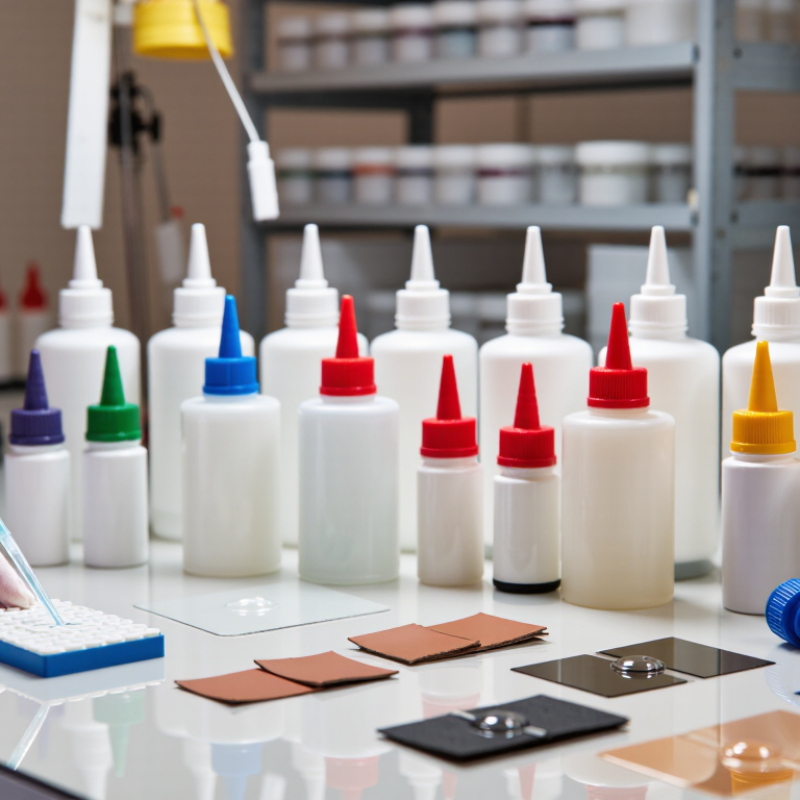
Solvent adhesives bond by carrying dissolved or dispersed polymers in a volatile liquid. After application, the solvent evaporates and leaves a polymer film that grips the surfaces. Some formulations also soften compatible plastics, creating a degree of interfacial fusion. The exact mechanism depends on the adhesive chemistry and the materials being joined. A thin, even coat matters: a puddle can trap solvent and weaken the bond.
On a workshop bench, a useful check is whether both surfaces are clean, dry, and properly matched to the formulation. Porous materials may absorb adhesive quickly, while smooth metals and plastics need strong wetting and careful surface preparation. Pressure helps bring surfaces into close contact; adequate drying time allows the bond to develop. Fast surface drying is not always proof of full strength. That detail is easy to miss.
Solvent-based products can offer quick handling and strong bonds, but solvent loss also creates ventilation and emissions concerns. The U.S. EPA’s AP-42 industrial emissions guidance documents VOC releases from adhesive application and drying, underscoring the need to follow product instructions and workplace controls. Market context is broader: MarketsandMarkets estimated the global adhesives and sealants market at US$72.4 billion in 2023, projecting US$92.1 billion by 2028. This includes many adhesive technologies, not solvent adhesives alone. Buyers should compare bond performance, substrate compatibility, drying conditions, and documented emissions—not just initial tack.
Key Factors for Comparing Solvent Adhesives
For solvent adhesives, compare the actual substrate pair, not just the product category. A formula that grips metal may soak into porous wood or soften a plastic surface. Check the technical data sheet for recommended materials, application temperature, viscosity, and open time. Then test a sample under the pressure and curing conditions used on your line. Small differences matter.
Bond strength needs context. ASTM D1002 measures shear strength on metal-to-metal specimens, but that result alone cannot predict peel performance or durability in a finished product. Ask which test method produced the figures, and whether they reflect heat, moisture, or chemical exposure. A high initial bond can still fail after repeated flexing. That is easy to overlook.
Also compare solids content, drying time, packaging, and safety documentation. VOC figures should state the test method and units; vague claims are difficult to evaluate across suppliers. Grand View Research estimated the global adhesives and sealants market at USD 76.1 billion in 2023, reflecting a broad, varied market—not a guarantee that one solvent adhesive suits every application. Request current technical and safety data sheets, and verify that the stated values match your process. A neat datasheet is useful, but real-world trials may tell a less tidy story.
Ten Solvent Adhesive Options for Global Buyers
Global buyers can compare ten solvent adhesive options by matching chemistry to the job. Contact cement suits large surfaces that need an immediate bond. Rubber-based adhesive offers flexibility for selected rubber and fabric assemblies. Acrylic solvent adhesive can join compatible plastics, while PVC and ABS solvent cements are made for their respective materials. Polystyrene cement works on compatible polystyrene parts. Solvent-based polyurethane can suit applications needing a more flexible bond. Nitrile rubber adhesive may fit oil-resistant rubber components. Spray adhesive covers broad, lightweight surfaces. Solvent-based pressure-sensitive adhesive supports peel-and-stick formats. Each option has limits.
Before ordering, check the technical data sheet for substrate compatibility, open time, curing conditions, and bond strength. A clear plastic sample may haze or soften, even when the bond looks strong at first. Temperature and humidity can also change application and drying behavior. Ask suppliers for sample quantities and test the actual materials, not just generic coupons. A tidy comparison chart can help, but one successful test is not proof of long-term performance. That part is easy to overlook.
Tips: Confirm the required ventilation and handling precautions in the safety data sheet. Compare packaging sizes, shelf life, and storage needs across suppliers. Record test conditions, including surface preparation and cure time. If results vary, pause and investigate rather than assuming the adhesive is defective. Some uncertainty remains until the product is tested in the intended assembly.
Choosing an Adhesive for Different Materials and Applications
Choosing a solvent adhesive starts with the materials, not the label. Porous materials such as leather or fabric may absorb adhesive quickly, so a formula designed for flexible bonding can help maintain contact. Smooth metals and rigid plastics need clean, compatible surfaces. Some plastics soften or craze when exposed to solvents, so test an inconspicuous area first.
That distinction matters. For flexible products, such as shoe components or coated textiles, bond strength must survive repeated bending. For rigid assemblies, alignment and gap filling may matter more. Check the technical data sheet for suitable substrates, open time, clamping needs, and full cure time. A quick touch test is not enough. Allow the bond to cure under the conditions stated by the supplier, even if the surface feels dry earlier.
Global buyers should compare performance across their actual working conditions. Ask for substrate-specific test data, and confirm that instructions are clear for the intended production process. Temperature and humidity can change drying behavior during shipping or assembly. One detail is easy to overlook: surface preparation must be practical at scale. A solvent adhesive may perform well in a small trial, yet prove awkward on a fast production line. Small trials help, but they do not replace testing with real parts.
Evaluating Safety, Compliance, and International Suppliers
For global buyers, a solvent adhesive’s performance data is only part of the review. Check the current safety data sheet for flash point, ventilation guidance, required gloves, and transport classification. Ask suppliers for batch-specific documents and clear storage instructions; a drum label should match its paperwork. The ILO’s 2023 global estimates attribute 2.93 million deaths each year to work-related factors across all sectors. That figure is not adhesive-specific. Still, it underlines why exposure controls and worker training deserve the same attention as bond strength.
Compliance also needs destination-by-destination checks. Confirm that labels, safety data sheets, and restricted-substance declarations match the rules in each importing market, including applicable REACH and GHS requirements. UNEP’s Global Chemicals Outlook II reported global chemical sales of about US$5 trillion in 2017 and projected they could double by 2030. That growth makes supplier traceability more important, not less. Request evidence for composition, origin, and quality controls before approving a shipment. Small details count. A purchasing checklist can still miss realities on the factory floor, so ask how ventilation and spill procedures work during actual production—not only on paper.