Top 10 Benefits of Using Three Winding Transformers for Your Business?
In today's competitive market, businesses need reliable and efficient power solutions. The Three Winding Transformer emerges as a crucial component in this landscape. By integrating three separate coils, it provides improved voltage regulation and minimal energy loss. This design significantly enhances performance, especially in industrial applications where demand fluctuates frequently.
Many businesses have reported noticeable cost savings by switching to Three Winding Transformers. This unit's ability to handle high loads makes it an attractive investment. Additionally, the increased efficiency can lead to a reduced carbon footprint, reflecting a commitment to sustainability. However, proper installation and maintenance are essential for maximizing these benefits.
Despite such advantages, some businesses hesitate, facing challenges in understanding transformer technology. Misunderstandings about functionality can lead to poor investment decisions. Education and expert consultation are critical in navigating this complex landscape. By making informed choices, businesses can leverage the benefits of Three Winding Transformers better.
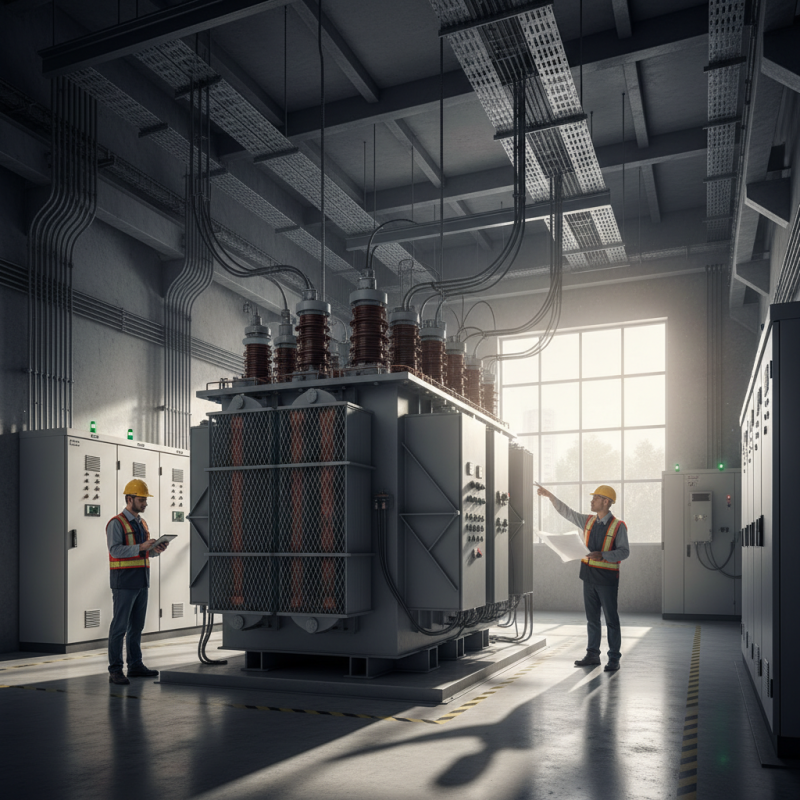
Understanding Three Winding Transformers: A Comprehensive Overview
Three winding transformers are essential in various industries. They effectively manage voltage levels and enhance energy efficiency. These transformers consist of three sets of windings: primary, secondary, and tertiary. This design enables them to stabilize and control voltage fluctuations, making them reliable in power distribution.
Using three winding transformers can lead to significant operational advantages. They improve load balancing, which can reduce losses in energy distribution. Moreover, these transformers allow for better integration of renewable energy sources. Some businesses may overlook the importance of selecting the right transformer. A poorly matched transformer can lead to inefficiencies and unexpected costs.
In implementing three winding transformers, businesses should consider technical specifications. Every application may have unique requirements, such as load capacity and environmental conditions. Regular maintenance is also crucial for optimal performance. Neglecting this aspect can lead to premature failures. Understanding these factors allows businesses to leverage the full potential of three winding transformers in their operations.
Enhanced Energy Efficiency: How They Reduce Power Loss
Three winding transformers offer significant benefits for businesses focused on energy efficiency. By utilizing multiple windings, these transformers effectively reduce power loss during energy conversion. This leads to lower operational costs, an attractive feature for any business. The enhanced design minimizes losses, creating a more sustainable energy footprint.
Implementing three winding transformers can also improve load distribution. This ultimately enhances the reliability of your power system. Businesses benefit from reduced wear on electrical components, leading to fewer maintenance issues. Factors such as voltage regulation and reduced harmonic distortion contribute to overall performance.
Tip: Regularly monitor your transformer’s performance. This allows for early detection of potential problems. Additionally, training your team on transformer management can further enhance efficiency. Evaluating your current energy consumption is a wise step. Small changes can lead to substantial savings and a more sustainable operation.
Flexibility in Voltage Regulation for Diverse Applications
Three winding transformers provide remarkable flexibility in voltage regulation. They accommodate various needs across multiple sectors, from manufacturing to renewable energy. Businesses can optimize performance by adjusting voltage levels to fit specific applications. According to a 2022 report from the International Energy Agency, such adaptability contributes to approximately 20% efficiency improvements in energy use.
This technology also helps stabilize voltage fluctuations, which are common in industrial settings. A 2021 study published by IEEE highlighted that equipment can fail due to inconsistent voltage levels. By using three winding transformers, companies can mitigate these risks. They reduce downtime and increase operational reliability, which is crucial in today's competitive environment.
However, the initial investment can be significant. Organizations must weigh this alongside long-term savings. Some companies may also struggle with integration into existing systems. Careful planning and expert consultation are essential to fully realize the benefits. It's not just about installation; it’s about ensuring a seamless transition that maximizes efficiency. Strong support from knowledgeable professionals can make this process smoother.
Improved System Stability: Benefits for Industrial Operations
Three winding transformers are crucial for enhancing system stability in industrial operations. They manage loading conditions effectively, allowing for better voltage regulation. When a transformer supports multiple circuits, it distributes power more evenly. This reduces the risk of overload and voltage drops, contributing to smoother operations.
Reliable energy distribution is essential for factories and plants. These transformers provide enhanced fault tolerance. In case of faults, they can isolate issues quickly. This prevents widespread disruptions in production. However, regular maintenance is necessary to ensure optimal performance. If neglected, the very stability these transformers provide can diminish.
The design of three winding transformers allows for flexibility in system configurations. They accommodate different load scenarios without compromising efficiency. Still, it is vital to assess your specific needs before implementation. Each setup presents unique challenges. Understanding these intricacies ensures that the advantages of three winding transformers are fully realized.
Top 10 Benefits of Using Three Winding Transformers for Your Business
Cost Savings Through Reduced Maintenance and Downtime
Three winding transformers provide significant cost savings for businesses. Their design minimizes energy loss, leading to lower electricity bills. Reduced maintenance requirements further enhance their appeal. Fewer components mean fewer parts to repair. This directly translates to decreased downtime, allowing for more efficient operations.
Regular inspections are still necessary. Although these transformers require less maintenance, occasional checks can prevent unexpected failures. Implement a schedule to monitor performance and address issues early. This can save time and money in the long run.
Investing in training for staff is critical. Knowledgeable personnel can diagnose potential problems quickly. This boosts reliability and minimizes operational interruptions. Consider developing a checklist for regular maintenance tasks. It may seem simple, but details matter in prolonging the lifespan of your equipment.
Top 10 Benefits of Using Three Winding Transformers for Your Business
| Benefit | Description | Estimated Savings (%) |
| Reduced Maintenance Costs | Less frequent inspections and repairs lead to lower overall maintenance expenses. | 25% |
| Minimized Downtime | Efficient operation reduces the frequency and duration of outages. | 30% |
| Energy Efficiency | Improved design leads to lower energy consumption. | 15% |
| Enhanced Capacity | Increased load handling capabilities without additional investment. | 20% |
| Longer Lifespan | Durable construction means longer operational life. | 35% |
| Improved Safety | Built-in safety features reduce risk of accidents. | 10% |
| Flexibility in Design | Customizable specifications to suit various applications. | No direct savings but improves overall efficiency. |
| Environmental Impact | Lower emissions due to energy efficiency. | Variable |
| Better Load Management | Optimized operation under varying load conditions. | 20% |
| Compliance with Regulations | Easier adherence to industry standards and regulations. | No direct savings but reduces the risk of fines. |