Top 10 Benefits of Solar Energy Power for Global Buyers?
Solar Energy Power has become a pivotal focus for global buyers. The increasing demand for clean energy drives innovation and investment in this sector. As nations strive for sustainability, solar energy emerges as a viable solution. It provides significant advantages, from reducing carbon footprints to offering economic benefits.
One crucial benefit is cost savings. Solar energy can drastically lower electricity bills, leading to long-term financial gain. Many buyers notice a rapid return on investment. Moreover, the availability of solar power worldwide boosts energy independence. This shift helps reduce reliance on fossil fuels.
Yet, challenges exist. Not all regions receive equal sunlight, affecting efficiency. Buyers must also consider initial installation costs. These factors require thoughtful reflection. Despite this, the potential of Solar Energy Power remains compelling. Its benefits position it as an essential resource for a sustainable future.

Advantages of Solar Energy for Global Buyers
Solar energy presents numerous advantages for global buyers. One significant benefit is its cost-effectiveness. According to the International Renewable Energy Agency (IRENA), solar power costs have dropped by over 80% since 2010. This affordability enables more countries to adopt solar technology, reducing their reliance on imported fossil fuels. The levelized cost of solar energy is projected to fall further, making it an increasingly attractive option for new projects.
Sustainability is another key advantage of solar energy. It provides a clean and renewable alternative to traditional energy sources. The Solar Energy Industries Association (SEIA) notes that solar power can reduce carbon emissions significantly. Each megawatt-hour of solar energy generated avoids about 600 pounds of carbon dioxide emissions. Beyond environmental benefits, solar installations can boost local economies and create jobs in manufacturing, installation, and maintenance.
However, challenges remain in integrating solar energy fully into global markets. While many countries are making strides, regulatory frameworks can hinder progress. Some areas lack adequate infrastructure to support solar systems. Furthermore, the intermittency of solar energy raises questions about reliability. Addressing these concerns is crucial for broader adoption. Despite these obstacles, the ongoing evolution of solar technology continues to offer tangible benefits for global buyers.
Top 10 Benefits of Solar Energy Power for Global Buyers
| Benefit | Description | Impact on Buyers |
|---|---|---|
| Cost Savings | Reduces electricity bills significantly over time. | Lower operational costs enhance profit margins. |
| Environmental Benefits | Reduces carbon footprint and greenhouse gas emissions. | Aligns with sustainability goals and consumer preferences. |
| Energy Independence | Promotes self-sufficiency in energy production. | Reduces reliance on fossil fuels and imported energy. |
| Incentives and Rebates | Access to tax credits and government rebates for installation. | Offset initial investment costs significantly. |
| Low Maintenance Costs | Solar systems require minimal upkeep. | Saves money over the lifespan of the system. |
| Job Creation | Increases employment opportunities in renewable energy sectors. | Contributes to local economies and workforce engagement. |
| Increases Property Value | Homes with solar panels sell at a premium. | Attracts buyers looking for energy-efficient options. |
| Reliable Energy Source | Generates power even in remote areas. | Increases accessibility and reliability of energy supply. |
| Technology Advancements | Continuous improvements in solar technology. | Access to cutting-edge solutions enhances efficiency. |
| Global Trends | Increasing global shift towards renewable energy. | Staying competitive in a rapidly evolving market. |
Cost Savings through Solar Power Adoption
Adopting solar power can lead to significant cost savings for global buyers. According to the International Renewable Energy Agency (IRENA), solar photovoltaic (PV) systems have seen prices drop by over 80% since 2010. This reduction allows businesses and homeowners to save on electricity bills. Installation costs continue to decrease, making solar power an accessible option for many.
Many reports indicate that solar energy can reduce electricity costs by up to 40% over time. On average, solar energy systems pay for themselves within five to seven years. After this initial period, users enjoy free power for the remainder of the system's lifespan, which can exceed 25 years. These savings can be particularly beneficial in regions with high electricity rates.
Tip: Consider a solar installation analysis to evaluate potential savings. Calculate your energy consumption and assess your roof's suitability for solar panels. Keeping track of local incentives can also provide additional cost reductions. Always factor in maintenance costs, even if they are relatively low compared to traditional energy sources.
Environmental Impact and Renewable Energy
Solar energy is a powerful ally in reducing our environmental impact. It harnesses sunlight, a clean and abundant resource. When we rely on solar power, we decrease greenhouse gas emissions significantly. This shift can combat climate change effectively. In urban areas, solar panels on rooftops can reduce energy consumption from fossil fuels, leading to cleaner air.
Transitioning to renewable energy comes with challenges. There is a need for storage solutions to handle variability. Solar energy production fluctuates based on weather and time of day. Additionally, manufacturing solar panels can have environmental repercussions. This reality prompts us to reflect on the full lifecycle of solar technologies. Despite these challenges, the potential benefits are immense.
Communities that adopt solar energy experience increased energy independence. Local jobs in installation and maintenance often arise. Furthermore, public awareness of environmental issues grows as more individuals use solar power. While not perfect, the movement towards solar energy marks a critical step in our efforts to sustain the planet.
Top 10 Benefits of Solar Energy Power for Global Buyers
This chart illustrates the top benefits of solar energy as perceived by global buyers. The data presents significant advantages such as cost savings, environmental impact, energy independence, and job creation, among others.
Energy Independence and Security Benefits
Energy independence through solar power presents significant benefits for global buyers. By harnessing the sun's energy, homes and businesses can reduce their reliance on fossil fuels. In 2020, renewables accounted for nearly 29% of electricity generation worldwide, showcasing a growing shift toward sustainable practices. This trend reflects a demand for more secure energy solutions. With solar energy, regions can protect themselves against fluctuations in fuel prices and geopolitical tensions.
Moreover, the integration of solar energy can enhance local economies. The Solar Foundation’s National Solar Jobs Census reported over 250,000 solar jobs in the U.S. alone, supporting communities as they transition to cleaner energy. Investing in solar technology can also lead to job creation in manufacturing, installation, and maintenance. This economic boost can empower individuals and reduce unemployment rates, contributing to greater societal stability.
However, challenges remain. The initial investment for solar panels can deter many consumers. Additionally, not all regions receive sufficient sunlight year-round. Addressing these issues requires innovative solutions and policies that promote wider adoption. By developing incentives for solar energy installation, governments can encourage greater participation. As solar energy becomes more accessible, energy independence will grow more achievable for global buyers.
Technological Advances in Solar Energy Solutions
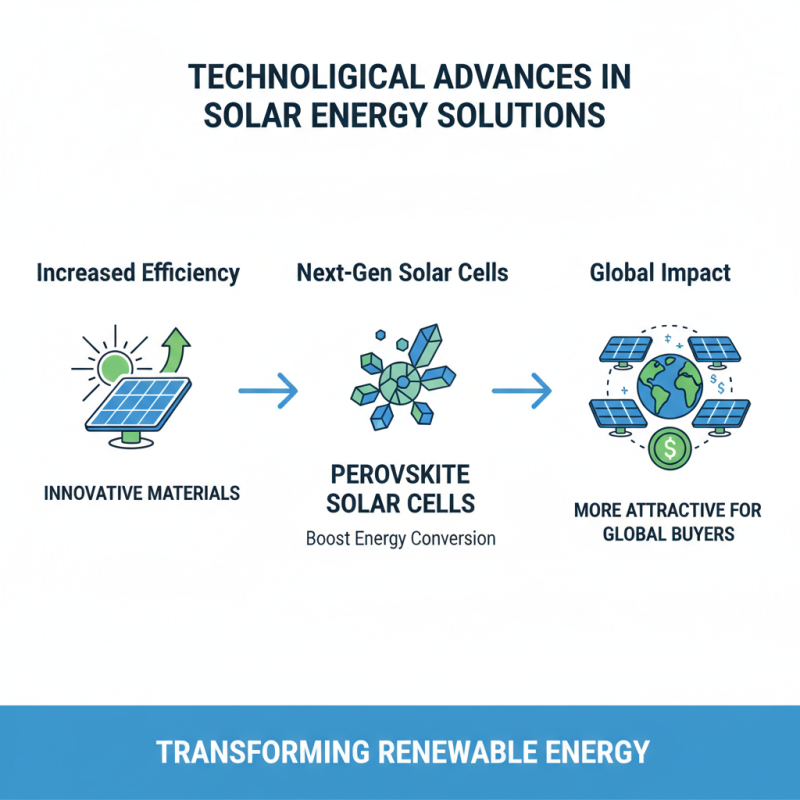
Technological advances in solar energy solutions are transforming the landscape of renewable energy. Solar panels have become more efficient through innovative materials. Products like perovskite solar cells show promise in boosting energy conversion rates. These developments make solar power a more attractive option for global buyers.
Energy storage technology has also evolved significantly. Batteries now offer higher capacities and longer lifespans. This allows households to store solar energy for use during cloudy days or nights. Improved inverters enhance the efficiency of solar systems by optimizing energy production.
Cost is another critical factor driving adoption. The price of solar technology has drastically decreased over the last decade. Affordable options mean that more consumers can invest in solar energy. Some installations are still complex and may require skilled labor. As with any technology, ongoing research is crucial to address current limitations and improve reliability.
Related Posts
-
Ultimate Guide to Best Solar PV Panels Market Trends and Insights for 2025
-

Exploring Alternative Options for the Best Power Solar Panels in Global Markets
-
Unlocking the True Potential of Solar Energy: Innovations Shaping a Sustainable Future
-

Exploring Diverse Options in Solar Energy Power for Global Buyers
-

Comprehensive Insights into Energy Solutions Solar for Global Buyers
-

Unlocking the Future of Renewable Energy with Innovative Power Solar Panels Solutions