Why You Need an Air Quality Monitor for Your Health?
In today’s world, air quality is often overlooked, yet it significantly impacts our health. An Air Quality Monitor is a crucial tool that helps assess the air we breathe. Many people spend most of their time indoors, where pollutants can accumulate, making this device essential.
Research shows that poor air quality can lead to severe health issues. These include respiratory problems, allergies, and even heart disease. With an Air Quality Monitor, individuals can track levels of pollutants and make informed decisions about their environment. This knowledge empowers users to improve their indoor air quality by taking action when necessary.
However, relying solely on technology can lead to complacency. It's important to recognize the limitations of an Air Quality Monitor. Understanding the context and taking proactive measures, such as ensuring proper ventilation and reducing sources of pollution, remains vital. Ultimately, being proactive about air quality can foster a healthier lifestyle.
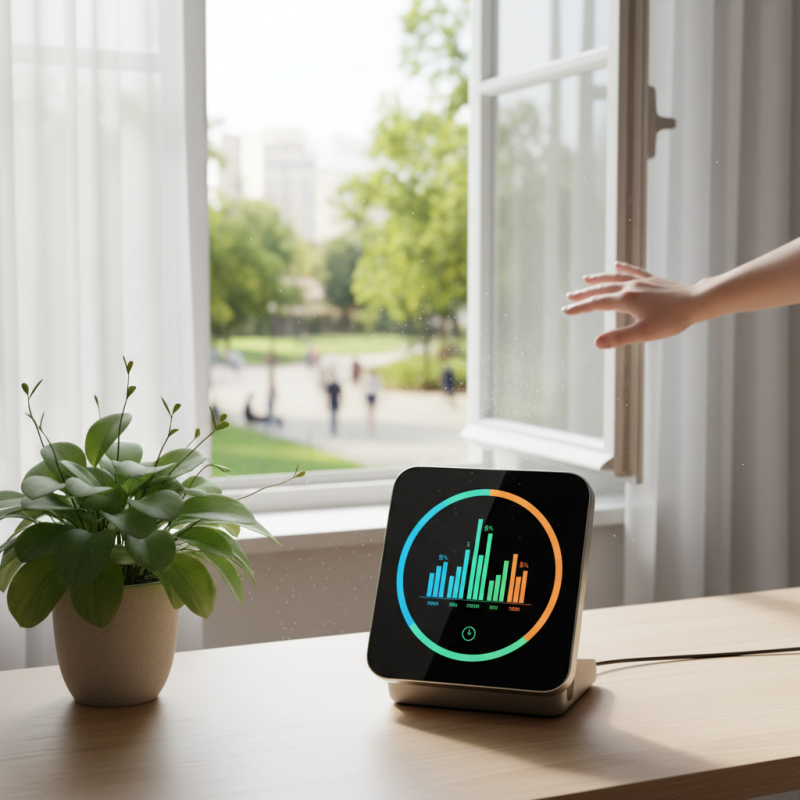
Importance of Air Quality Monitoring for Health
Air quality plays a crucial role in our health. Polluted air can lead to severe respiratory issues, allergies, and even heart problems. Particles, gases, and toxins hide in the air we breathe. These pollutants can come from various sources, such as vehicles, industries, and even household products. When we inhale these harmful substances, the effects can linger. Individuals may experience fatigue, headaches, or even chronic conditions.
Understanding air quality is essential for prevention. Having a monitor at home provides real-time insights into pollutant levels. This allows people to make informed choices about when to open windows or exercise outdoors. It’s surprising how simple actions can sometimes improve or worsen indoor air quality. A sudden increase in pollutants might not be immediately noticeable, yet its impact can be significant over time.
Many underestimate the importance of air quality monitoring. It might seem unnecessary until health issues arise. Ignoring air quality can lead to long-term consequences that affect daily life. People must take an active role in safeguarding their health. A proactive approach to monitoring can lead to a healthier living environment.
Air Quality Index (AQI) Levels Over a Week
This bar chart displays the Air Quality Index (AQI) levels measured over a week. The AQI is a key indicator of air quality and health implications. Higher AQI levels correspond to poorer air quality and increased health risks.
Common Indoor Pollutants and Their Health Effects
Indoor air quality can significantly impact your health. Common pollutants include volatile organic compounds (VOCs), particulate matter, and carbon monoxide. VOCs often come from paints, cleaning supplies, and building materials. These substances can cause headaches, dizziness, and long-term respiratory issues.
Particulate matter consists of tiny particles, such as dust and smoke. They can penetrate deep into your lungs, leading to serious conditions like asthma and heart disease. Carbon monoxide is often emitted from gas stoves and heaters. Even low levels can result in fatigue and impaired vision.
Many people overlook these risks. A false sense of security can develop. Understanding indoor pollutants is crucial. Investing in an air quality monitor can give you insights into your environment. It helps identify problems before they affect your health. Awareness is the first step toward creating a safer living space.
How Air Quality Monitors Work and Their Features
Air quality monitors play a crucial role in understanding the environment around us. They use sensors to detect pollutants like particulate matter, carbon dioxide, and volatile organic compounds. These devices provide real-time data, giving users insight into indoor and outdoor air quality. This technology helps identify harmful contaminants that may affect health, especially for those with respiratory issues.
The features of air quality monitors vary widely. Many models feature smartphone connectivity, allowing users to track air quality on their devices. Some include alerts for hazardous levels of specific pollutants. Others might offer historical data analysis, helping users recognize patterns and make informed decisions about their environment.
Despite their benefits, it's essential to note that not all monitors are created equal. Some may display inaccuracies or lack critical features. Regular calibration and understanding the limitations of your device enhance its reliability. Engaging with these devices can transform how you approach air quality management, especially in a world increasingly focused on environmental health.
Benefits of Regular Air Quality Monitoring
Monitoring air quality is essential for maintaining good health. Poor air quality can lead to various health issues, including respiratory problems and heart disease. Using an air quality monitor helps you stay informed about the pollutants in your environment. It can detect harmful particles, allergens, and gases that often go unnoticed. This awareness enables you to take proactive steps.
Regular monitoring provides valuable data. You can identify trends in your air quality. It helps you understand how different factors like traffic, weather, and seasonal changes impact your home or workplace. When you see spikes in pollution, you can take action. Closing windows, using air purifiers, or even adjusting your daily routine can mitigate exposure. This practice not only protects your health but also encourages a more mindful approach to your environment.
However, relying solely on technology is not enough. Personal habits contribute significantly to air quality. Be aware of activities that may worsen indoor air. Frequent cleaning, using natural products, and ventilating spaces regularly can enhance your indoor air quality. Reflecting on these habits is crucial. Balancing technology and personal action makes for a healthier living space.
Choosing the Right Air Quality Monitor for Your Needs
When selecting the right air quality monitor, you need to consider several factors. Understanding your specific air quality needs is crucial. For instance, the World Health Organization (WHO) reports that air pollution is responsible for approximately 4.2 million premature deaths annually. Thus, a monitor that detects common indoor pollutants like particulate matter (PM2.5) and volatile organic compounds (VOCs) is essential.
In addition, choose a device that provides real-time data. Many monitors offer apps that display air quality trends. The U.S. Environmental Protection Agency (EPA) indicates that indoor air can be two to five times more polluted than outdoor air. Therefore, timely alerts on rising pollutant levels can help you take action quickly. Look for models with a reliable calibration process, ensuring accurate readings.
Evaluate your budget and features carefully. Some monitors may offer advanced features, while others focus on basics. Balancing cost with accuracy can be tricky. It is also important to check user reviews and professional evaluations. You'll want a product with a proven track record. Always verify the sensor technology used, as it plays a significant role in the monitor's reliability. By considering these aspects, you'll choose a monitor that truly meets your needs.