
What Is an Adult Electric Tricycle With Cover?
An Adult Electric Tricycle With Cover is a three-wheeled electric cycle fitted with a roof or canopy over the rider. It combines pedal assistance or electric drive with a more sheltered riding position. The cover may help block direct sun and light rain, though its protection depends on the design. Some models also include a windshield, doors, storage space, or a passenger seat. Features vary widely.
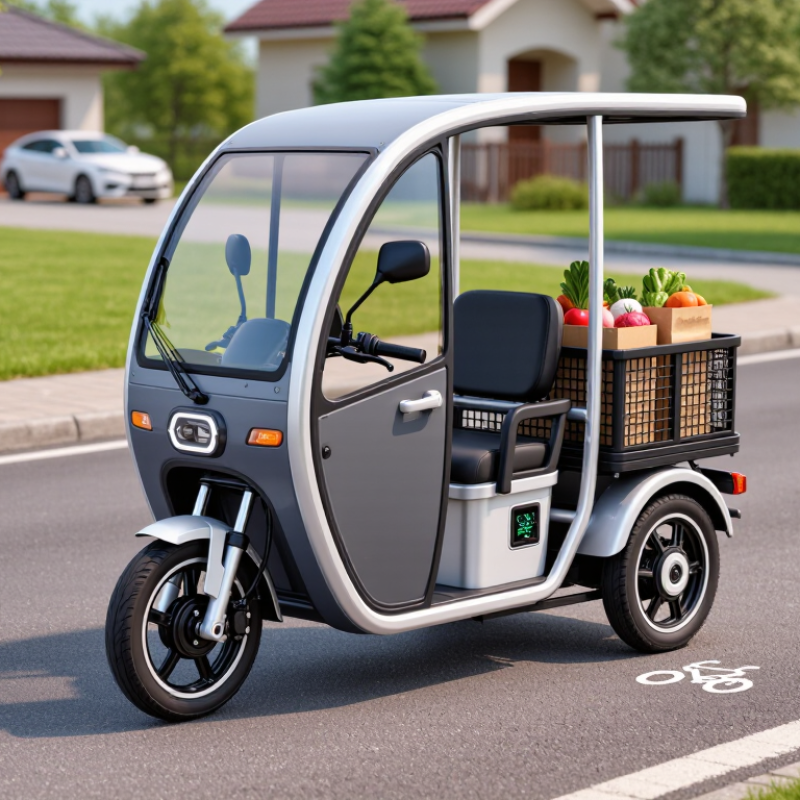
Think of a covered tricycle moving along a neighborhood street: the rider sits upright, keeps groceries in a rear basket, and uses the handlebars to steer. The electric system can assist with movement, but battery range and performance depend on factors such as load, terrain, speed, and weather. A canopy can also affect visibility, ventilation, and handling, so fit and practical details deserve attention. Small differences matter. Before choosing a model, check the seat comfort, braking system, tire condition, battery specifications, and ease of getting on and off. A test ride can reveal issues that a product description misses. It is worth remembering that a cover does not make every ride comfortable or weatherproof. The best choice depends on the rider’s needs, routes, and willingness to maintain both the tricycle and its electrical components.
Core Design and Main Components
An adult electric tricycle with a cover combines a three-wheel frame, electric assistance, and an overhead shelter. Its chassis supports the rider, motor, battery, and cargo, while the third wheel helps the vehicle remain upright when stopped. It does not prevent every tip, especially on uneven ground. The front wheel steers through handlebars, and the rear wheels carry much of the load. A step-through frame can make mounting easier, though frame height and seat adjustment still matter.
The electric system typically includes a motor, rechargeable battery, controller, and handlebar controls. The motor assists pedaling, while the controller regulates power; braking systems vary by design and should be checked before regular use.
The cover is usually built from a canopy frame and weather-resistant fabric, sometimes with clear side panels. It can reduce exposure to sun, wind, and light rain, but it is not a sealed cabin. Ventilation and visibility matter. Check that panels do not obstruct the rider’s view, and that the canopy feels secure in gusty weather. These practical details are easy to overlook when judging a tricycle by its appearance alone.
How the Electric Drive and Three-Wheel Layout Work
What Is an Adult Electric Tricycle With Cover?
How the Electric Drive and Three-Wheel Layout Work
An adult electric tricycle with a cover combines a pedal-driven cycle, an electric assist system, and a roof or canopy. The motor supports pedaling rather than replacing it entirely. Depending on the design, a handlebar control selects assistance, while sensors respond to pedaling or wheel movement. A battery supplies power, and the rider still steers and brakes. On a gentle slope, the added support can make starting feel less demanding.
The three-wheel layout usually places two wheels at the rear and one at the front, though some designs reverse that arrangement. Three contact points help the tricycle remain upright when stopped. That changes the ride. A tricycle does not lean through turns like a bicycle, so slower, wider turns often feel more controlled. Keep it steady. A basket or other load can shift the balance, and sharp turns may feel awkward, especially on uneven ground.
The cover offers shade and some shelter from light rain, but it can catch wind and limit visibility around its edges. Check the brakes, tire condition, battery charge, and canopy fastenings before riding. Small details matter. The motor’s response and the tricycle’s turning feel can vary, so a quiet practice ride helps reveal what needs adjustment. A cover is useful, but it is not a substitute for suitable clothing or careful riding in poor weather.
What Is an Adult Electric Tricycle With Cover?
A covered adult electric tricycle combines an electric drive system with a three-wheel layout. In a common configuration, one wheel is at the front and two are at the rear. The battery supplies electricity to a controller, which regulates power to the motor. Depending on the design, the motor may drive a front wheel, a rear wheel, or the crank area.
The paired wheels at one end provide a wider support base than a bicycle’s two-wheel layout. Tricycle designs vary, so wheel placement and motor location are not the same on every model.
Types of Covers and Their Protective Features
An adult electric tricycle with a cover adds a roof or enclosure around the rider. Cover designs range from a simple canopy to fabric panels that surround the seat and handlebars. A canopy can shade the face and shoulders while leaving the sides open. That openness helps airflow, but rain can still blow in from an angle.
Soft, waterproof covers often use coated fabric and flexible windows. They can block light rain, road spray, and chilly gusts. Clear panels help preserve visibility, though they may fog or collect water. Wiping them before a ride matters. Some covers include zippered doors or roll-up sides, making it easier to balance ventilation against shelter. Full enclosures offer more protection from wind and rain, but can feel warm on mild days.
Leg shields and lower-body covers protect knees and clothing from splashes. They are useful on wet streets, where water flicks up from the front wheel. Not perfect. A cover cannot prevent every leak, and a large canopy may catch crosswinds. Fit also matters: loose fabric can flap, while poorly placed panels may obstruct lights or the rider’s view. Check seams, fasteners, airflow, and visibility before regular use, and reassess them after the fabric gets wet or worn.
Common Uses and Practical Advantages
An adult electric tricycle with a cover combines pedal assistance, three wheels, and a canopy or weather shield. People often use one for grocery trips, short commutes, visits to local services, or carrying light tools. A rear basket can hold a few shopping bags, while the electric motor helps on gradual hills and longer routes. The three-wheel layout makes stopping feel steady, especially when loading items. No balancing at a red light.
A cover can shade the rider and reduce exposure to light rain, but it is not a sealed cabin. Wind-driven rain may still reach the sides, and a cloudy plastic panel can affect visibility. Electric assistance can make regular errands less tiring, though added cargo, cold weather, and hills may reduce the distance available on one charge. Sharp turns still need care; a wide stance does not prevent tipping at speed. A small trade-off. Before buying or riding, check that the seat, controls, and cover opening are comfortable to reach. The fit can be awkward for some riders, and that detail is easy to miss in a product photo.
Safety, Limitations, and Key Buying Considerations
An adult electric tricycle with a cover combines three wheels, electric assistance, and a roof or canopy. The cover can reduce direct sun and light rain, but it may not seal out wind-driven water. On a wet ride, sleeves and lower legs can still get soaked. Small detail, big difference.
Safety depends on more than having an extra wheel. Tricycles can feel steady when stopped, yet sharp turns or uneven pavement may shift the rider’s weight and affect balance. Practice slow turns in an empty area. Check that the brakes stop the loaded tricycle smoothly, and look for lights, reflectors, and clear sightlines around the cover. A canopy that flaps or blocks a mirror deserves attention. That is not enough.
Before buying, measure doorways, storage space, and the route’s narrowest passage. Compare the tricycle’s overall width and weight with your daily needs; some models are awkward to lift or transport. Ask how far the battery travels under realistic conditions, including hills, cargo, cold weather, and frequent stops. A claimed range may not match your routine. Check whether the seat, handlebars, and canopy can be adjusted, then take a test ride if possible. Notice vibration, turning effort, and how easily you can reach the controls. I would not choose by appearance alone; comfort can be surprisingly personal, and I have seen tidy specifications miss that point.